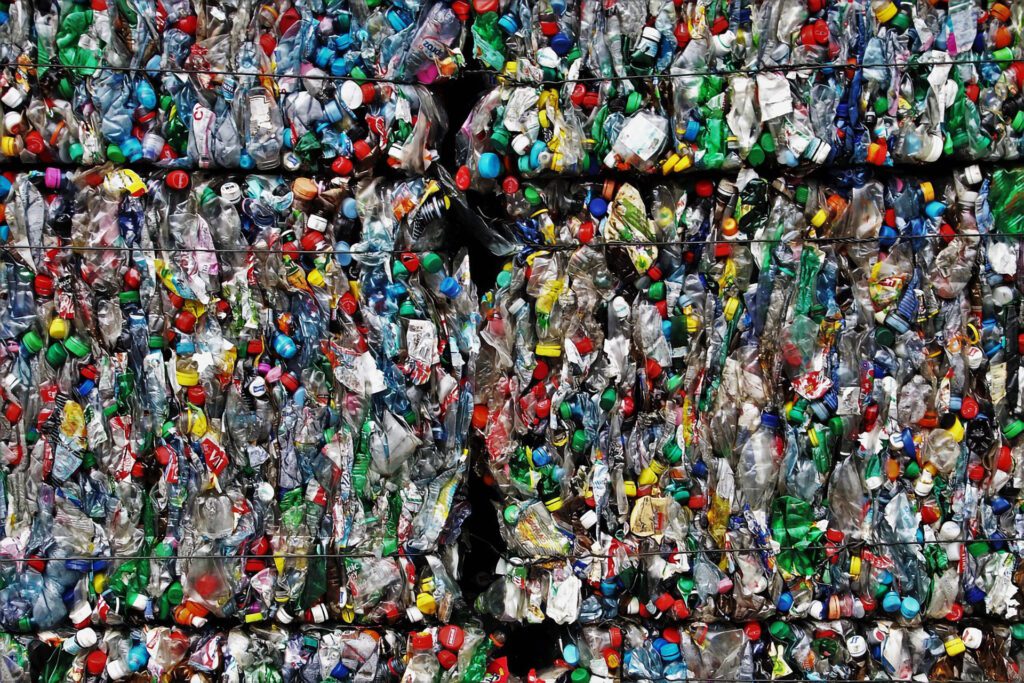
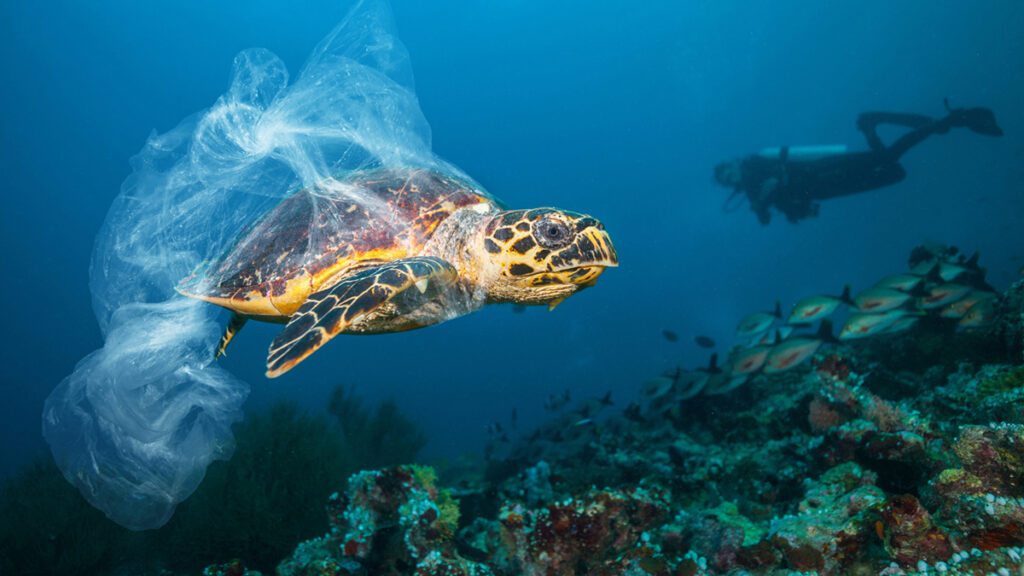
Australia generates 3.5 million tonnes of plastic waste every year. We’ve been told for decades that single-use packaging is an environmental problem, a litter issue for our beaches, oceans, and wildlife to bear.
But the science has shifted.
Every single day, the toxic chemical additives in household food packaging, phthalates, bisphenols, and PFAS, leach directly into our food, water, and homes. 100% of Australians tested carry plastic-derived chemical types inside their bodies daily. These chemicals are directly linked to dropping fertility rates, metabolic disruption, and chronic disease.
We aren’t just recycling too little. We are absorbing too much.
Plastic is a public health crisis
When ocean advocate and filmmaker Kal Glanznig had his urine tested while directing the Australian documentary The Plastic Country, the results were clear: elevated levels of endocrine-disrupting phthalates. Even healthy, active Australians carry an internal chemical load.
“What we are doing to our bodies with plastic is a massive, unmonitored experiment. The health costs are already catching up with us.”
— Kal Glanznig, Director of The Plastic Country & Boomerang Alliance Ambassador
National Packaging Solution
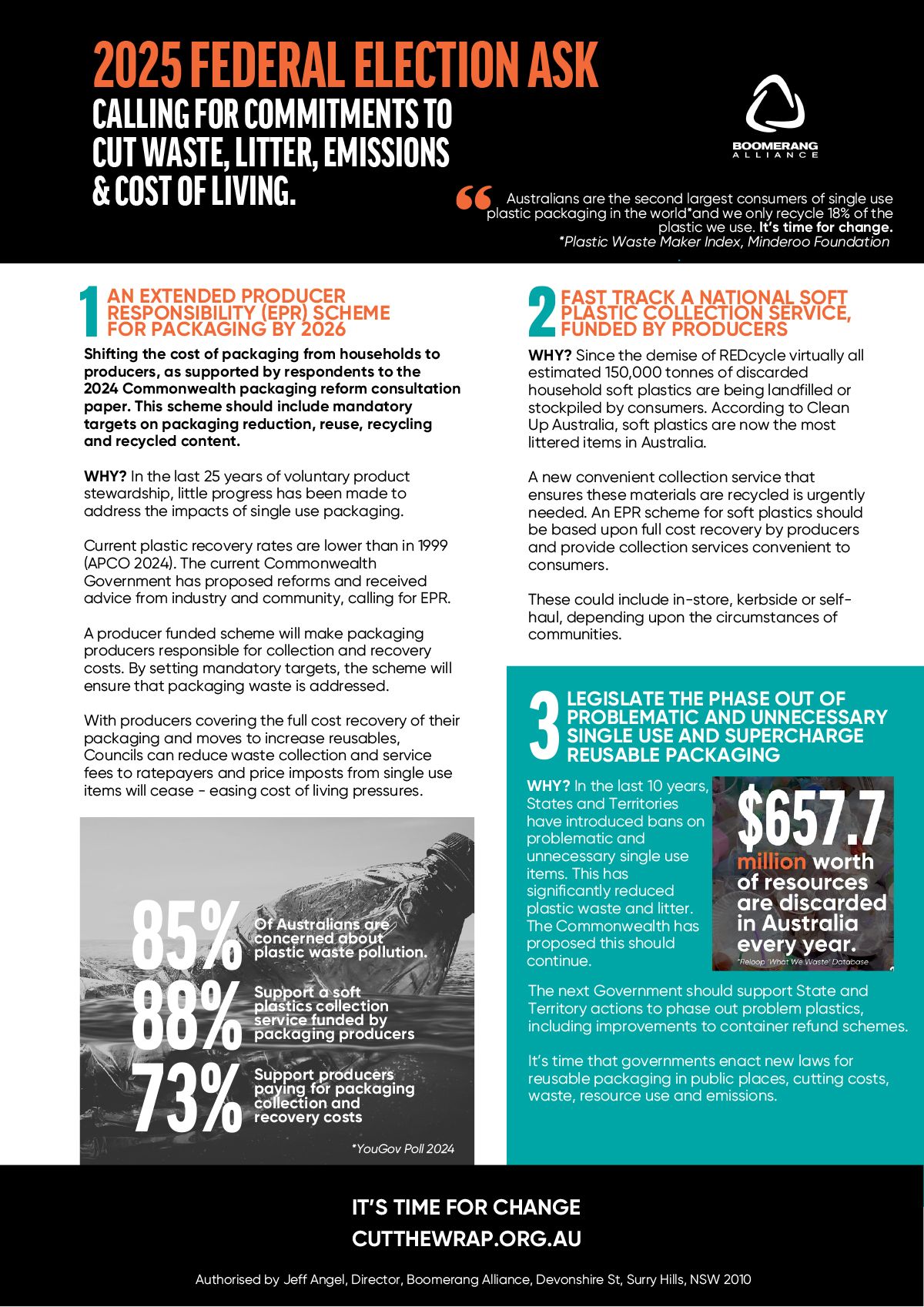
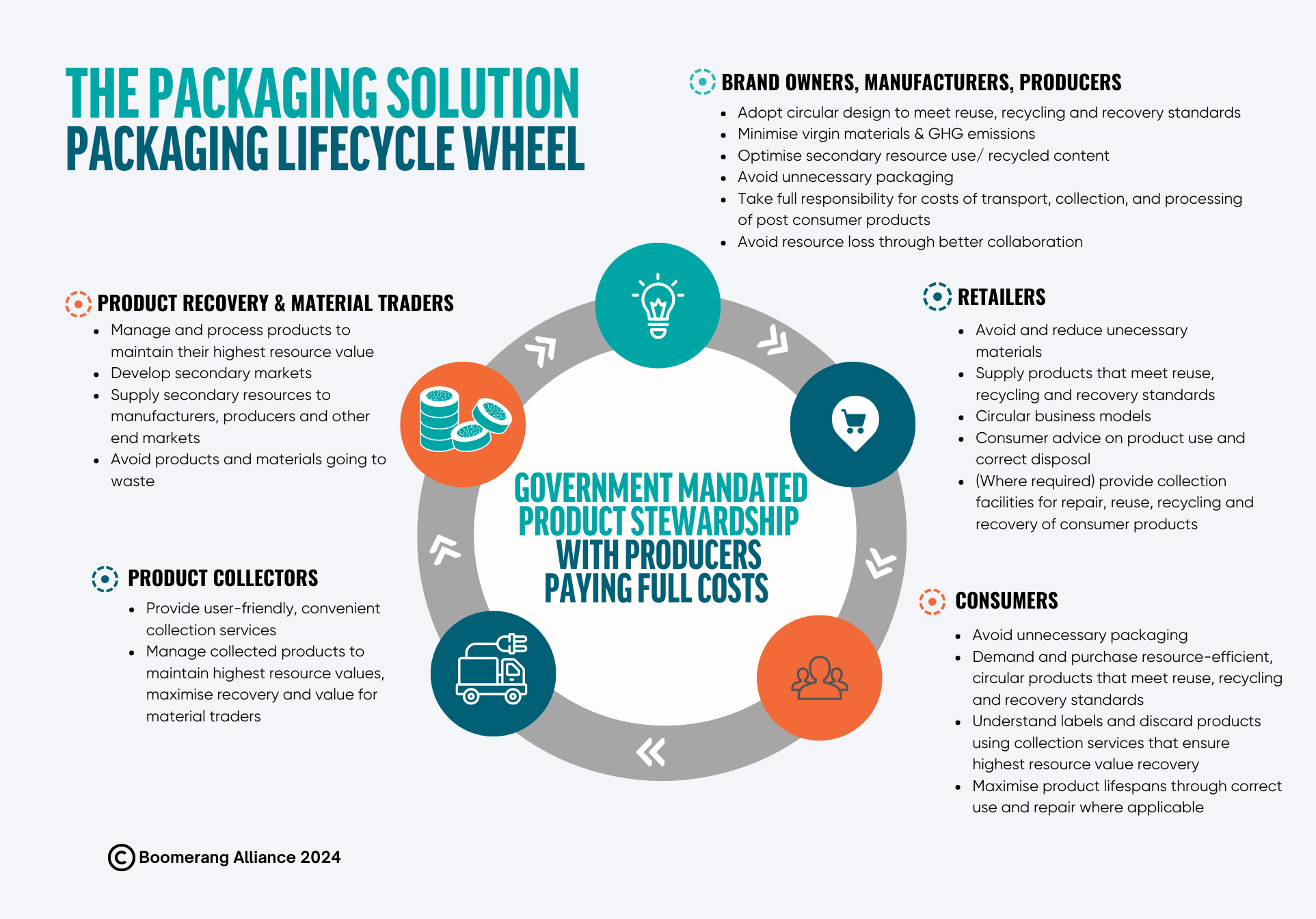
Packaging producers must take full responsibility and pay for packaging waste & pollution.
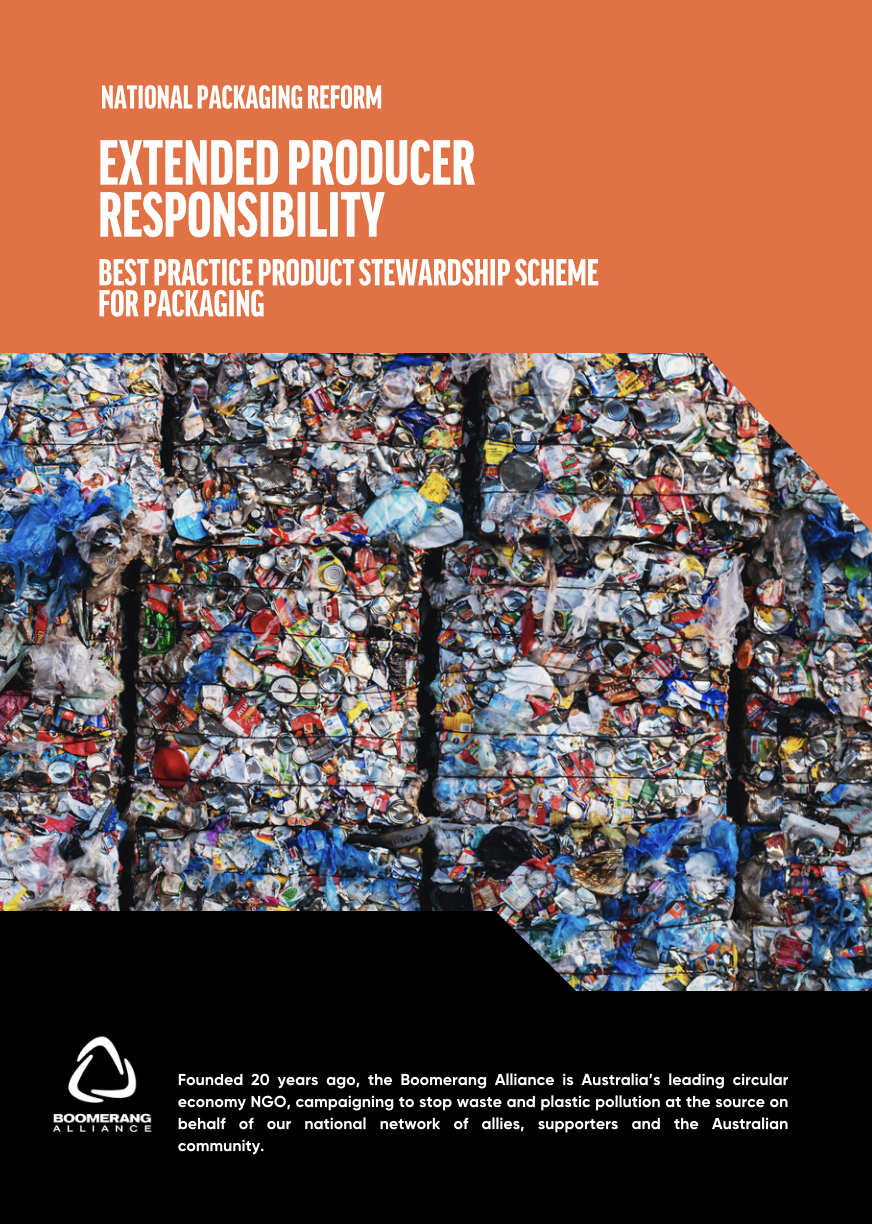
The Boomerang Alliance is challenging the packaging industry to take full responsibility and pay for the costs of its waste and pollution decisions.
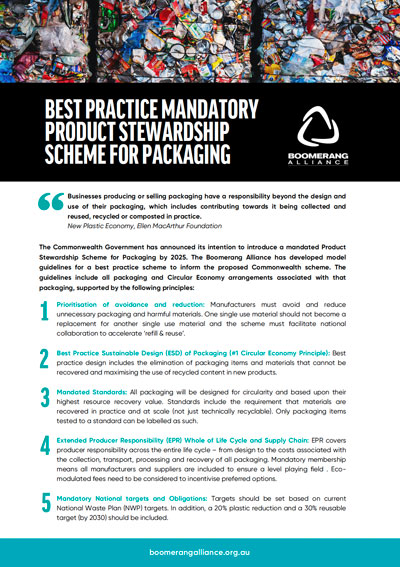
Ahead of the Commonwealth Government promising to introduce a Mandatory Product Stewardship Scheme for Packaging by 2025, we have released our model guidelines based on International best practice.
These include stringent Extended Producer Responsibility requirements where product manufacturers take full responsibility for their products, from the design stage through to end of life. This allows for products to be collected, recovered and reused rather than being littered or discarded in landfill.
Sign the petition to cut plastic packaging by 20% by 2030 and intrduce a 30% reuseable packaging target
Why We Are Taking Action
WHAT IS HAPPENING TODAY
- Plastic Is Framed as “Just Litter”: Public campaigns and corporate rhetoric continue to treat single-use plastic as an external waste management issue. By focusing solely on recycling and beach clean-ups, governments ignore the immediate, internal danger posed by toxic chemical additives leaching directly into human bodies.
- The “Chemical Whack-a-Mole” Loop: When public pressure forces manufacturers to remove a notorious compound like Bisphenol A (BPA), regulators allow them to substitute it with unstudied, structurally similar alternatives like BPS or BPF. These substitutes carry the exact same health risks, leaving consumers unprotected while believing they have made a safe choice.
- Zero National Human Tracking: Unlike Europe and North America, Australia completely lacks a permanent, coordinated National Human Biomonitoring Program. Government agencies currently have no framework to track population-level chemical accumulation, leaving health authorities blind to the toxic burden Australians carry.
- The Taxpayer Health Burden: While plastic producers profit from cheap, toxic additives, they pay nothing toward the healthcare consequences. The multi-billion-dollar medical costs associated with rising infertility, endocrine disruption, and metabolic disease are shifted directly onto Australia’s public health system (Medicare) and everyday taxpayers.
WHAT WE ARE FIGHTING FOR
- Regulating Plastic as a Public Health Hazard: Shifting federal policy so that food-contact packaging is governed by strict public health and safety standards rather than weak, voluntary waste targets.
- EU-Style Class-Wide Chemical Bans: Adopting the European Union’s REACH framework to ban entire families of toxic chemicals (all bisphenols, phthalates, and PFAS) at once, permanently ending regrettable chemical substitutions in Australian packaging.
- A Permanent Government Biomonitoring Program: Establishing an institutional National Human Biomonitoring Task Force under the Australian Centre for Disease Control (CDC) or Department of Health to systematically measure and report chemical accumulation across the Australian population.
- Clean, Safe, Non-Toxic Packaging Alternatives: Accelerating the transition to genuinely non-toxic, safe packaging materials, ensuring that protecting our environment does not come at the cost of human health.
How The Body Burden Will Drive Systemic Change
Exposing the Truth: We are bio-testing high-profile Australians and campaign leaders to prove that toxic packaging additives affect everyone, regardless of lifestyle.
Demanding Federal Oversight: We are lobbying Parliament to establish a National Human Biomonitoring Task Force under public health authorities (like the Australian Centre for Disease Control) to track systemic chemical exposure nationwide.
Enforcing Class-Wide Chemical Bans: Australia must follow the European Union’s lead by banning entire toxic families of chemicals (all bisphenols, phthalates, and PFAS) in food-contact packaging, stopping toxic substitutions for good.
We are building a coalition of doctors, scientists, ocean advocates, and everyday citizens to force systemic regulatory reform.
– Petition
From Promise to Policy
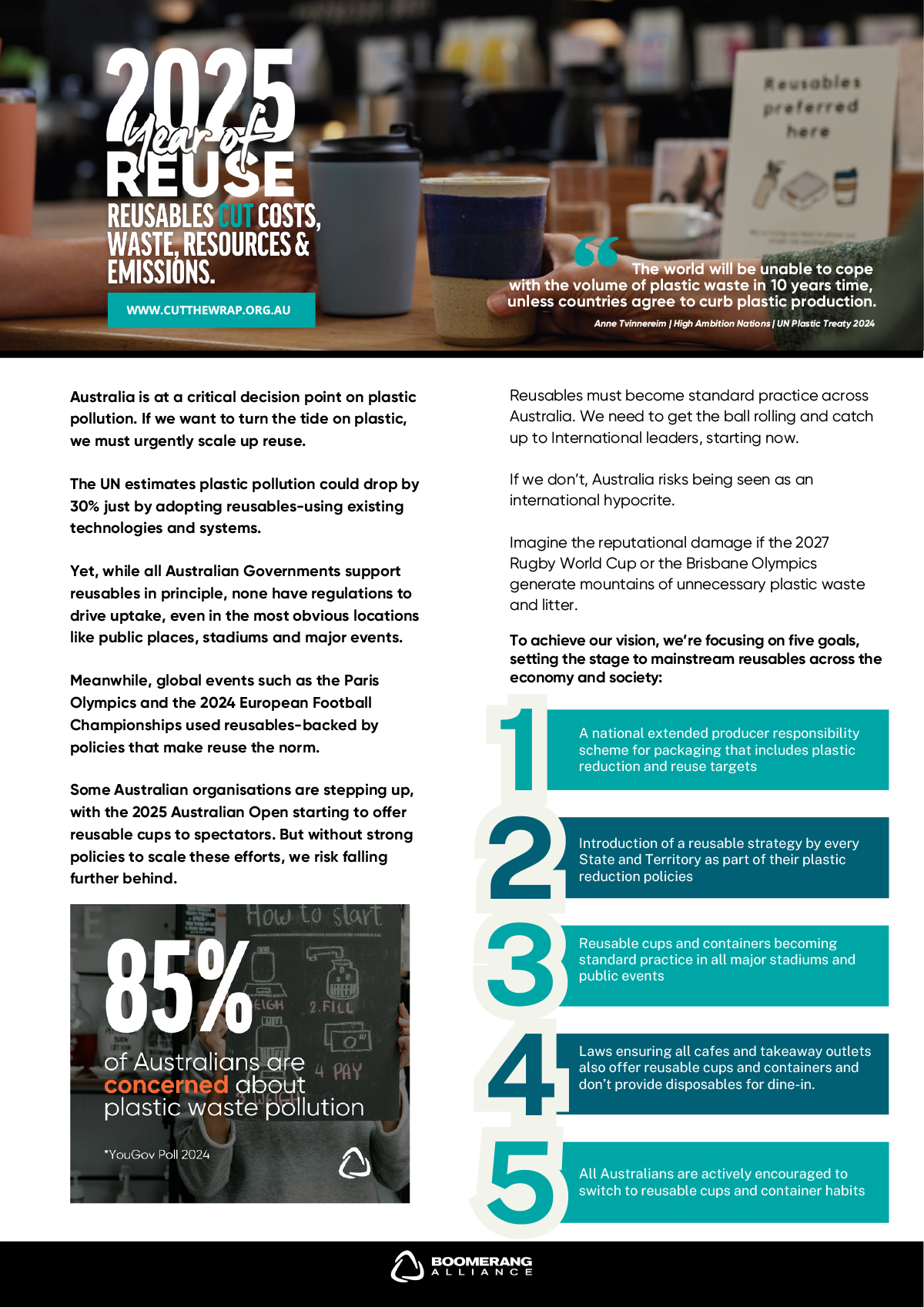
It’s time to tackle plastic pollution—starting with stronger packaging laws. With 85% of Australians concerned about plastic pollution, it’s time for new laws requiring producers to reduce, reuse, and recover packaging — cutting waste, lowering costs, and protecting our environment.
Source: YouGov poll, December 2024
HELP US create change
For more information see the pages below
Soft Plastics
We hear our communities cry for action on the soft plastics crisis. This is your go-to hub to get updates as they come.
Greenwashing
Greenwashing happens when environmental claims are exaggerated or misleading. Help us take action.