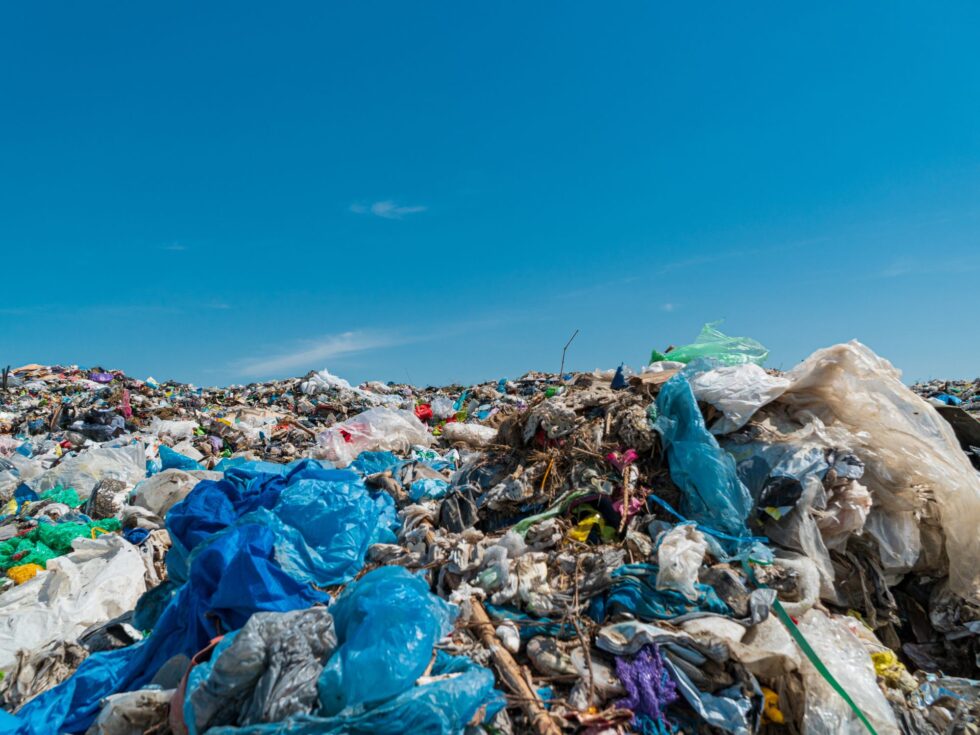
Australia is the second highest consumer of plastics per capita
We’re calling on all governments to:
Introduce reduction and reuse targets to turn off the plastics tap
Use circular economy principles to keep materials in circulation at their highest resource value
Set proper design standards like tethered caps and recycled content to reduce litter
Mandate reuse in controlled environments such as large events and stadiums
Why? Because change comes from the top. We need legislation in order supercharge change in Australia, release funding for reuse and recycling and create a resource secure future for Australia
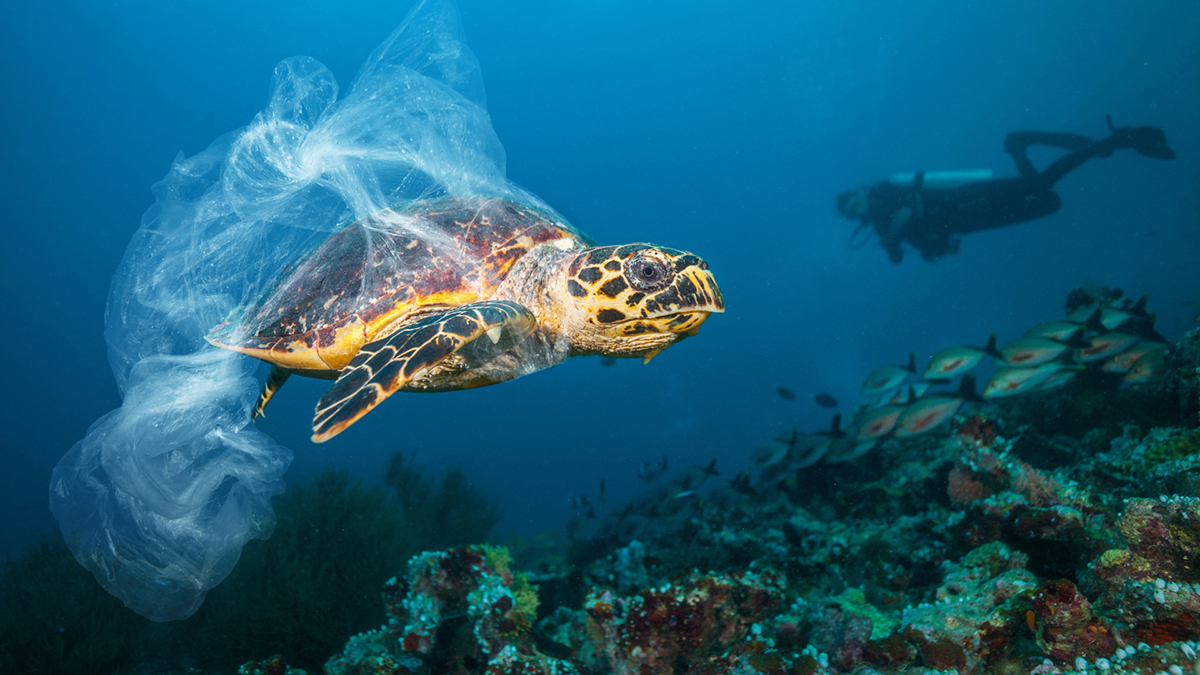
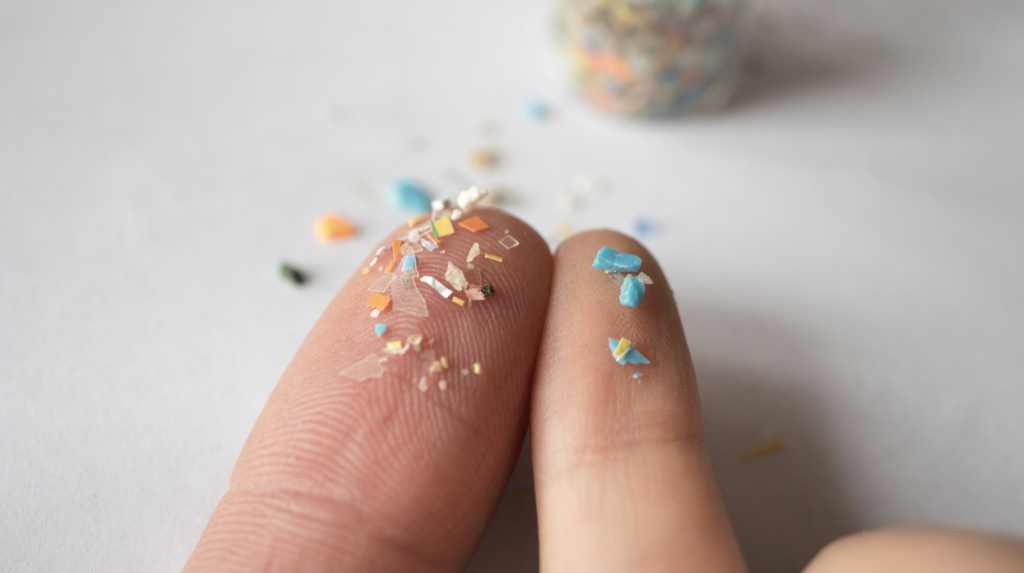
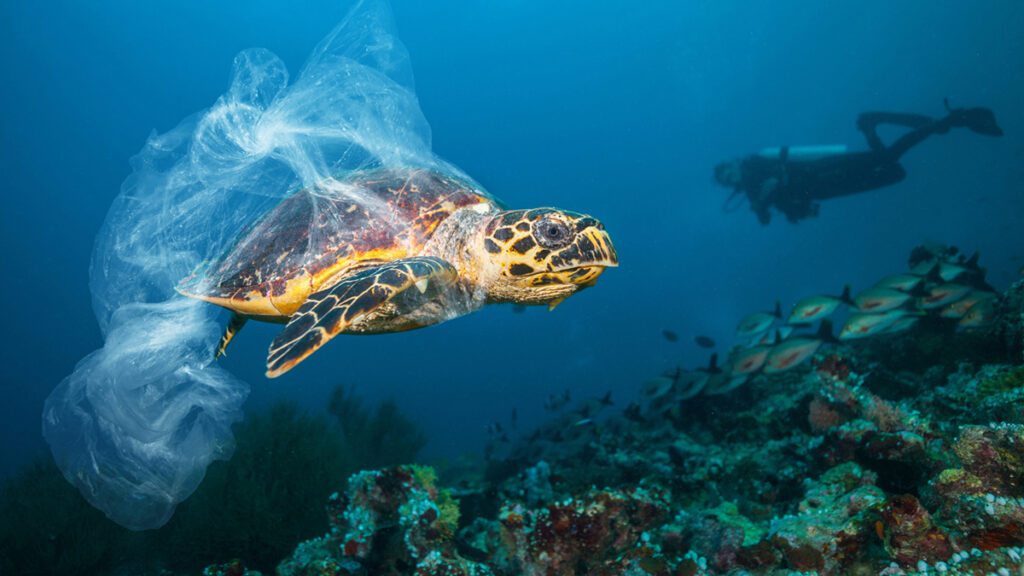
Australia’s beautiful coastlines are hiding an ugly truth: over 145,000 tonnes of plastic leak into our environment every year. This isn’t just an eyesore; it’s breaking down into toxic microplastics that infiltrate our food chain, marine life, and human health.
The old “take, make, dispose” system is failing us, leaving our communities to inherit the consequences. By championing a circular economy, we can design out waste from the start and keep valuable materials in use.
Join us in rewriting the system to protect our ecosystems, support human wellness, and secure a plastic-free future for Australia.
THE SOLUTION
A circular Australia is a healthier Australia
A circular economy benefits australia by
Driving economic growth: Keeping materials in use creates robust local recycling, remanufacturing, and repair industries, which generates up to three times more jobs than traditional waste disposal.
Protects Public Health: Cutting down on plastic manufacturing and waste reduces the toxic microplastics and chemical runoff contaminating Australian soil, waterways, and marine food chains.
Guarantees Resource Security: By recycling and reusing our own resources domestically, Australia becomes less reliant on volatile global supply chains and expensive material imports.
Restores Unique Ecosystems: Designing out waste stops the flow of litter into our oceans and bushland, directly safeguarding iconic Australian biodiversity and tourism assets.
The Impact
0b
the estimated economic boost to Australia’s GDP by 2047–2050 if we successfully transition to a circular economy (CSIRO / KPMG modeling)
0x
For every 10,000 tonnes of waste kept in the loop and recycled, 9.2 full-time jobs are created, compared to only 2.8 jobs if that same waste goes to a landfill.
REDUCES OVER
0K
tonnes of plastic leaching into our environment and food chain every year
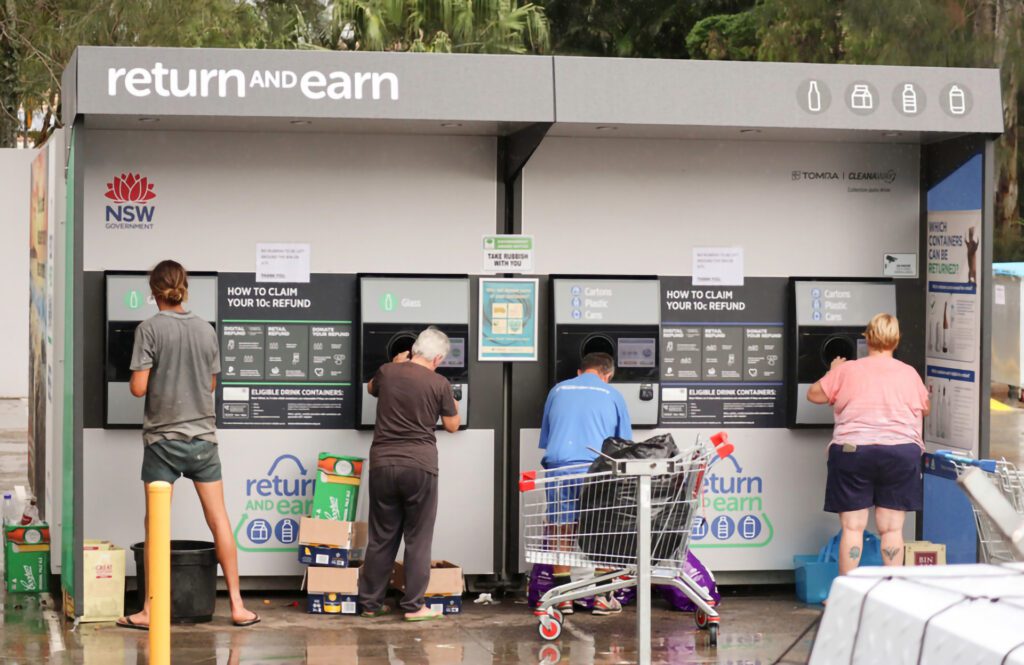
Across Australia, these schemes are already changing behaviour and reducing waste:
New South Wales
Over
0b
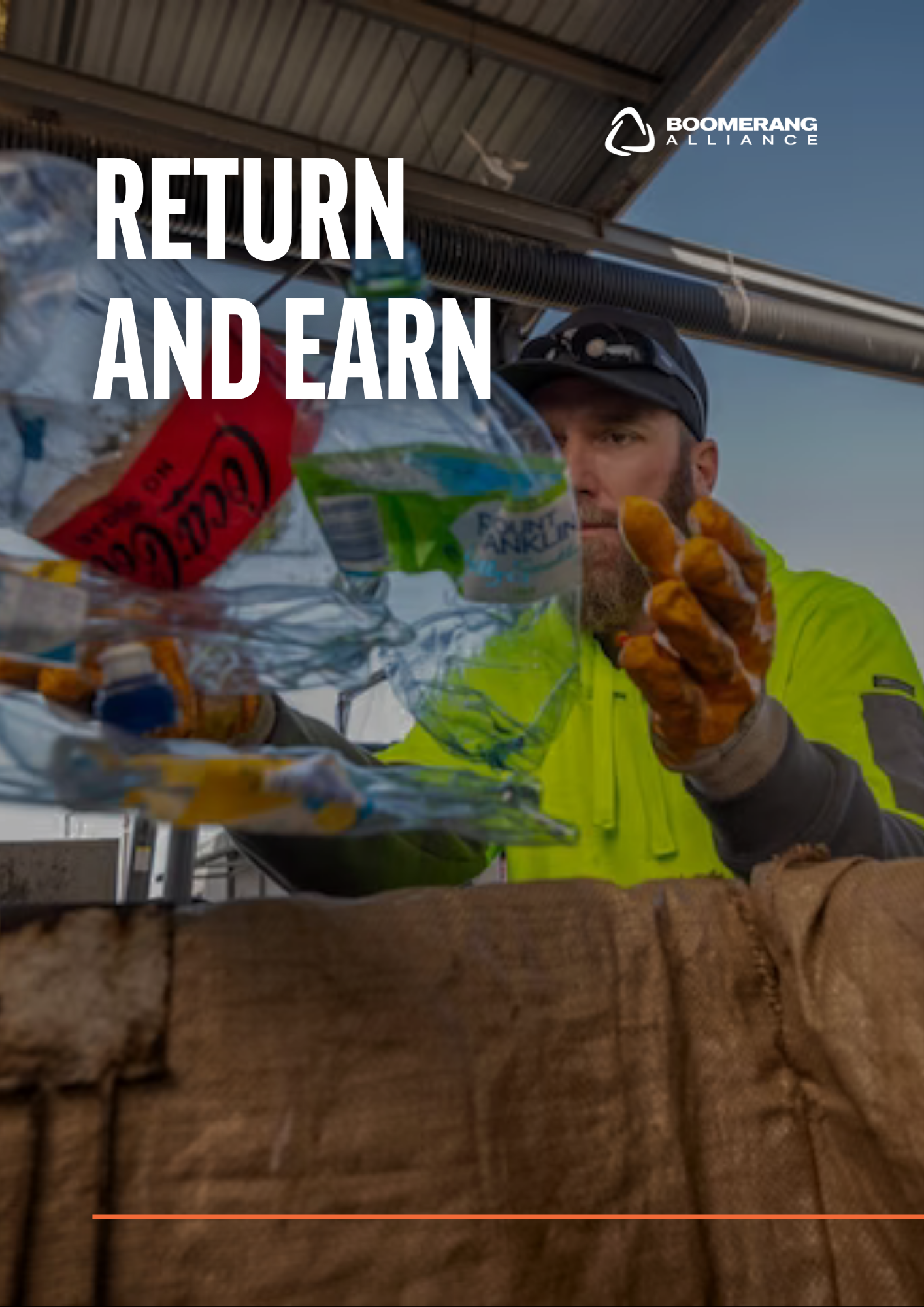
containers returned since 2017 = $1.4 billion back to the community and charities. 73% reduction in drink container litter.
South Australia
0m
containers returned last year = $66.3 million refunded.
Queensland
Over
0b
containers collected, recycling tripled and litter down 35%.
Victoria
0m
containers returned between Nov 2023 and June 2024 (year1).
Several thousand new jobs created and container collected going into making new bottles, cans and other products.
How does plastic pollution actually affect my health here in Australia?
As the millions of tonnes of plastic in Australia break down, they turn into microplastics. These tiny particles have now been detected in our bottled water, seafood, tap water, and even human placentas and bloodstreams. We are effectively eating, drinking, and breathing our own mismanaged waste
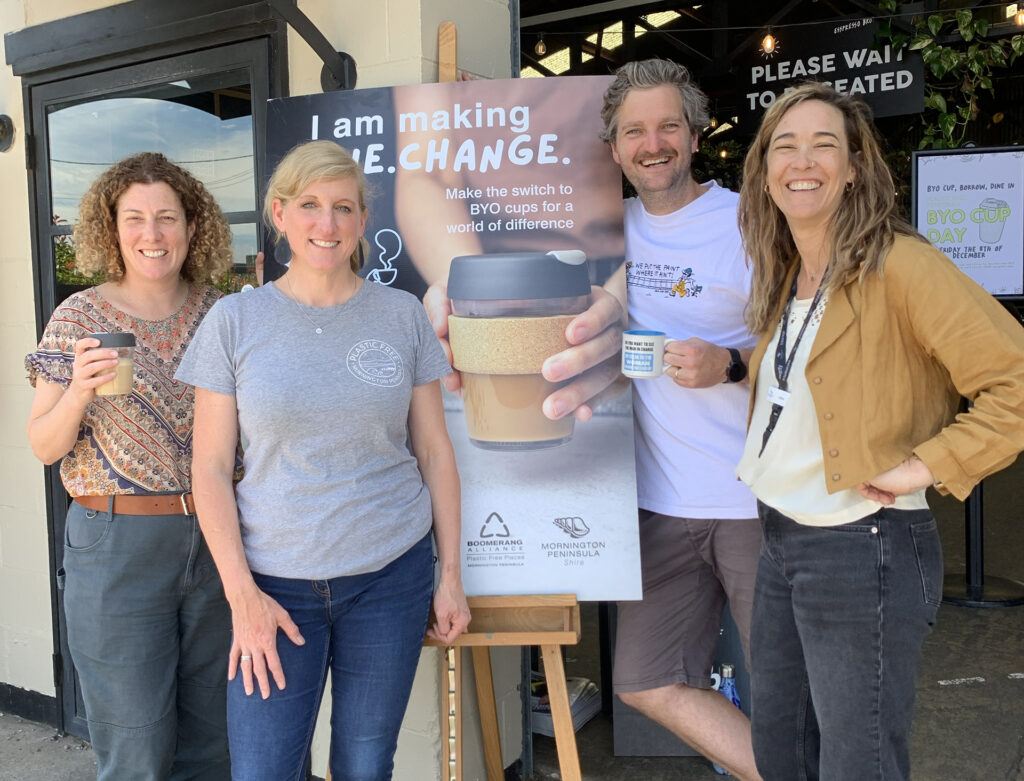
If my reusable "KeepCup" or drink bottle is still made of plastic, how is that better for the environment?
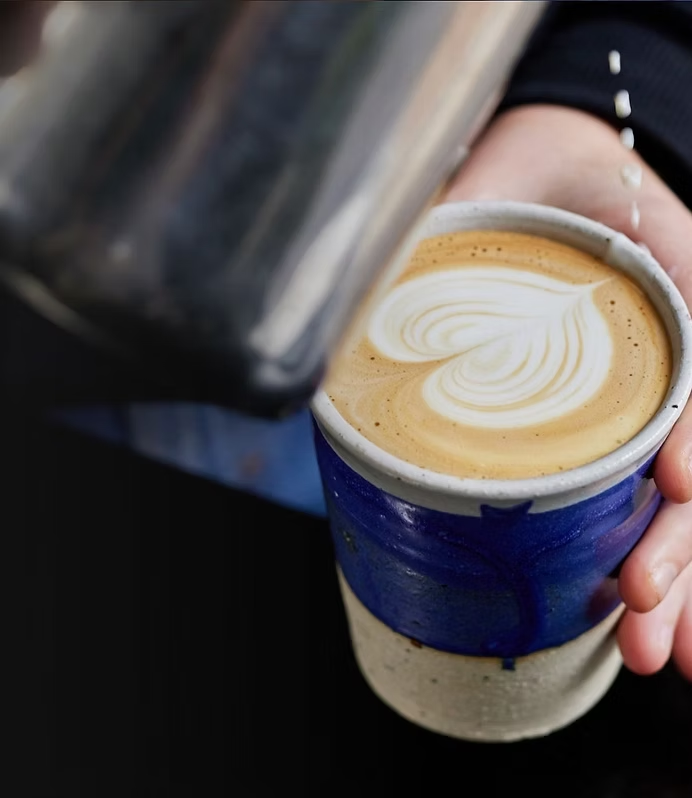
It comes down to the product’s lifecycle. Single-use plastic or plastic-lined paper cups are used for 10 minutes and then sit in Australian landfills for 450 years. A high-quality, durable plastic reusable cup requires slightly more energy to make upfront, but it reaches an environmental “break-even” point after just 7 to 15 uses.
Can’t we just solve Australia’s plastic crisis by getting better at recycling?
Unfortunately, we cannot recycle our way out of this crisis. Currently, Australia only successfully recycles about 13% of its plastic waste. The rest is either economically impossible to recycle, contaminated, or downcycled into lower-quality items that eventually end up in a landfill anyway.
Recycling is an immediate part of the solution, but we must also replace plastic with safer materials, avoid waste and mainstream reuse
– Tell your mp
its time for change
Join the call for strong national packaging laws.
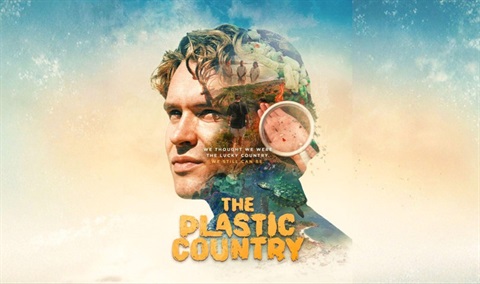
Kal Glanznig has spent years paddling, studying, and filming Australia’s coastline. His new documentary The Plastic Country captures what he found: a crisis that doesn’t stay in the water. Microplastics are now turning up in human blood, lungs, placentas, testicals and hearts. Plastic pollution isn’t just a visible problem in our oceans and waterways. It’s a growing threat to human health, embedded in the everyday packaging we handle without thinking.
We need a mandatory Extended Producer Responsibility scheme that forces producers to reduce, reuse, and safely recover their packaging. One that protects both our natural ecosystems and our health.
Sign the open letter today and make 2026 the year Australia gets serious about what’s in our packaging.
Please note: when you sign this open letter and agree to be emailed you’re also agreeing to share your email with the team at the plastic country. We will never spam you, just provide email updates on the campaign.
Sign up to the Boomerang Alliance newsletter for exclusive updates, campaign news, and ways you can take action. Be the first to know what’s happening, and how you can help drive change.