The Problem

Why waste?

less than

0 %

of the plastic packaging we use gets recycled

"Australians are the second-highest per capita plastic waste generators in the world (after Singapore)."

- Plastic Waste Makers Index (Minderoo Foundation)

The latest research* shows that less than 13% of the plastic packaging we use gets recycled. This leaves over 80% to end up in landfills or as litter after just one use. 

Our campaigns target this waste by urging governments to phase out problematic plastics and hold packaging producers accountable for the materials they place on the market. We advocate for plastic bands, packaging reform, reuse and reduction targets to help stop overconsumption at the source. 

THE PROBLEM AT A GLANCE

KILOGRAMS
0

Each Australian produces 2,280kg of waste annually.

TONNES
0 M

1.2 million tonnes of plastic packaging ends up as waste each year.

OF PLASTIC
0 %

Only 20% of plastic is recovered.

OF PACKAGING
0 %

Just 6% of packaging contains recycled plastic. 

TONNES
0 M

Industry creates 6.7 million tonnes of packaging each year.

TONNES
0 M

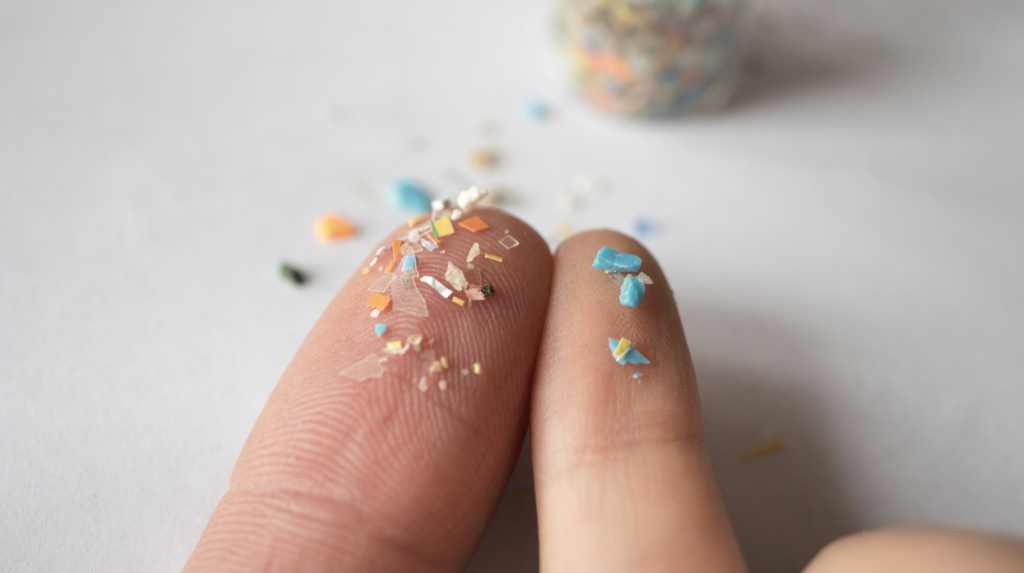
According to the UN 2.7 million tonnes of microplastics seeped into the environment in 2020. This is expected to double by 2040.

Annually
$ 0 T

2025 Lancet Countdown on health and plastics report, indicates a global health cost associated with plastics reaching $1.5 trillion annually.

Plastic Pollution

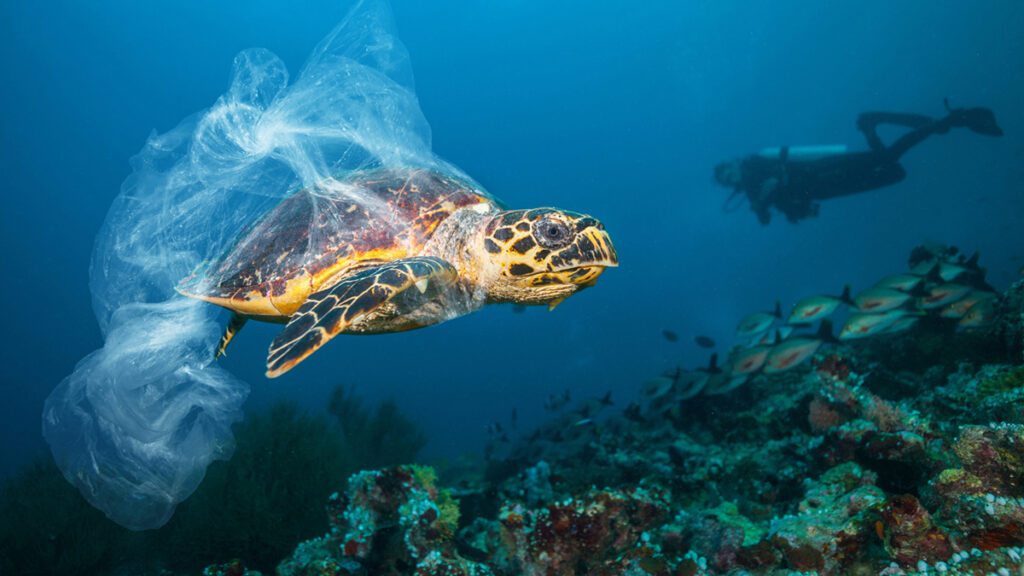
Researchers have estimated that on present trends there will be more plastic than fish (by weight) in the oceans by 2050.

- Ellen Macarthur Foundation

While single-use, throwaway plastic packaging is the major culprit for this plastic pollution, it is not the only problem plastic that contributes to plastic pollution. 

For example, the deliberate release of helium balloons, which then burst and return to Earth has a direct impact on wildlife. Every year, thousands of seabirds and marine animals die as a consequence of eating or getting entangled in burst balloons and strings.

The Boomerang Alliance and our allies work to eliminate other problem plastics and support global and national efforts to find solutions to both plastic waste and litter.

more plastic than fish in the oceans by

0

Our Position on

helium balloons

cigarette butts/vapes

Lorem Ipsum.

micro / nano plastics

Lorem Ipsum.

Single-Use Plastic Bans

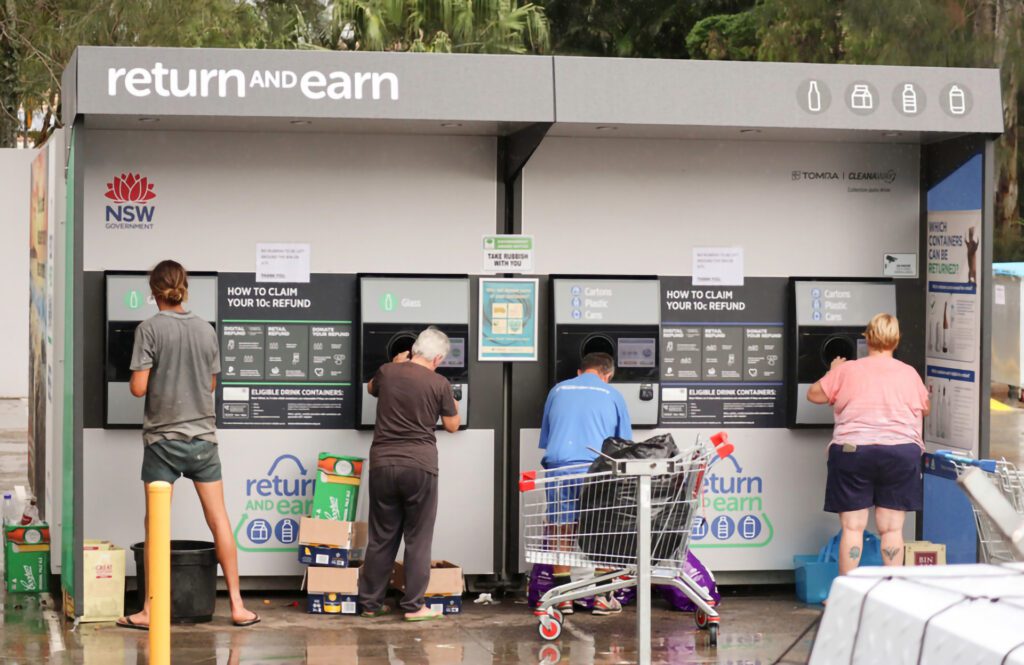
Over the past five years, all Australian governments have initiated policies to reduce or phase out problematic single-use plastics. Progress has been made on items like plastic straws, bags, cutlery, microbeads and other disposable plastics, with the list expanding each year. 

The Boomerang Alliance remains actively engaged with every government to ensure that these problematic plastics are being avoided or replaced with better alternatives like reusables. 

The Circular Economy Solution

A circular economy flips the script on waste by designing it out from the start. Instead of the take, make, throwaway model that floods our environment with plastic, a circular system keeps materials in use through reuse, refill, repair and high-quality recycling. It means packaging that is made to last, safe materials that can circulate again and again, and producers taking responsibility for what they create. For plastics, this is the path that cuts pollution at its source, reduces harm to human and environmental health, and builds resilient local systems that work within planetary limits. The Boomerang Alliance champions a circular economy because it replaces endless waste with smart design, strong policy and accountability, turning today’s plastic problem into tomorrow’s opportunity for change.

The Boomerang Alliance remains actively engaged with every government to ensure that these problematic plastics are being avoided or replaced with better alternatives like reusables. 
Explore our campaigns

Together we can create a better future. 

Stay in the Loop.
Shape the Future.

Sign up to the Boomerang Alliance newsletter for exclusive updates, campaign news, and ways you can take action. Be the first to know what’s happening, and how you can help drive change.