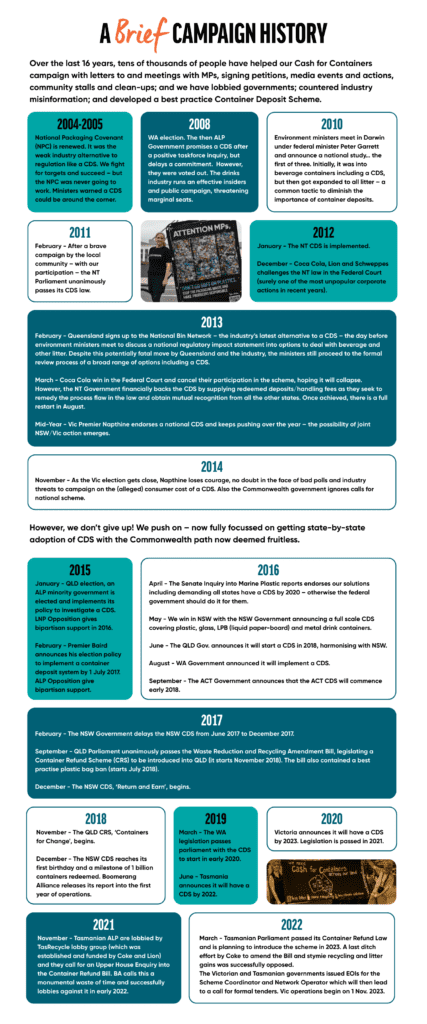
Australia’s Container Deposit schemes have already made a huge impact. But they’ve stalled, and it’s time to raise the bar.
We’re calling on all governments to:
Increase the refund from 10c to a minimum of 20c per container.
Include wine and spirits bottles in every state and territory and investigate other containers including refillable bottles.
Mandate tethered bottle tops and ensure they are recycled in practice.
Expand refund point convenience for the community, ensuring equitable access for all.
Why? Because higher refunds mean higher return rates, cleaner streets, more recycling back into containers, more green jobs, and more money back in your and charity pockets.
THE PROBLEM
The value of the 10c refund has eroded with inflation. When the schemes began 10c meant something. Today, it’s worth closer to 6.5c.
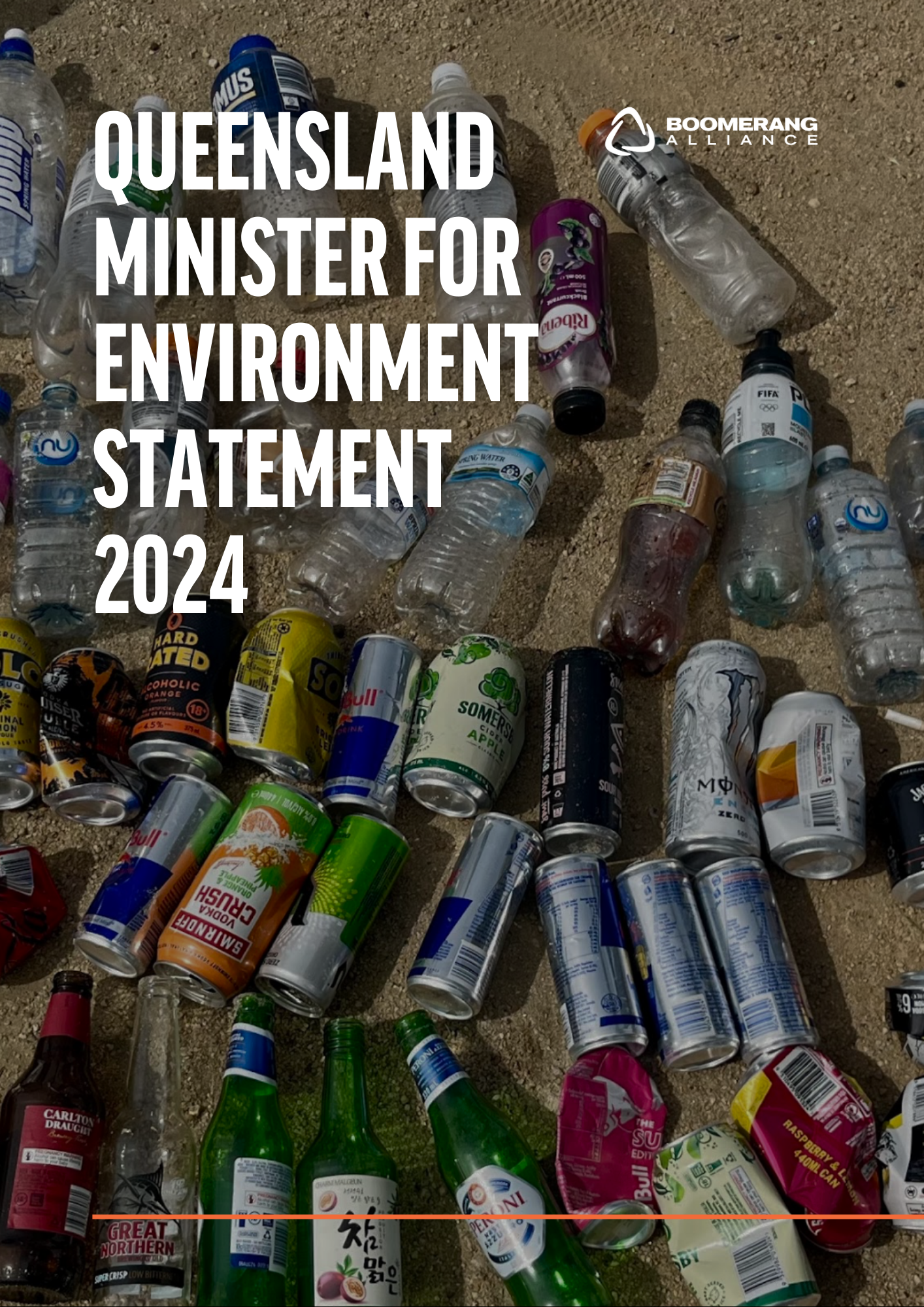
Return rates are plateauing and will start declining. And billions of valuable containers are still ending up in landfills, littering our environment and costing households every year.
Meanwhile, glass wine and spirits bottles, some of the heaviest and most resource-intensive containers, are excluded in many states, despite strong public support for their inclusion. Other non-beverage containers could also become part of the scheme and join the circular economy.
THE SOLUTION
A 20c refund could get us to a 90% return rate, in line with global best practice.
More returns mean:
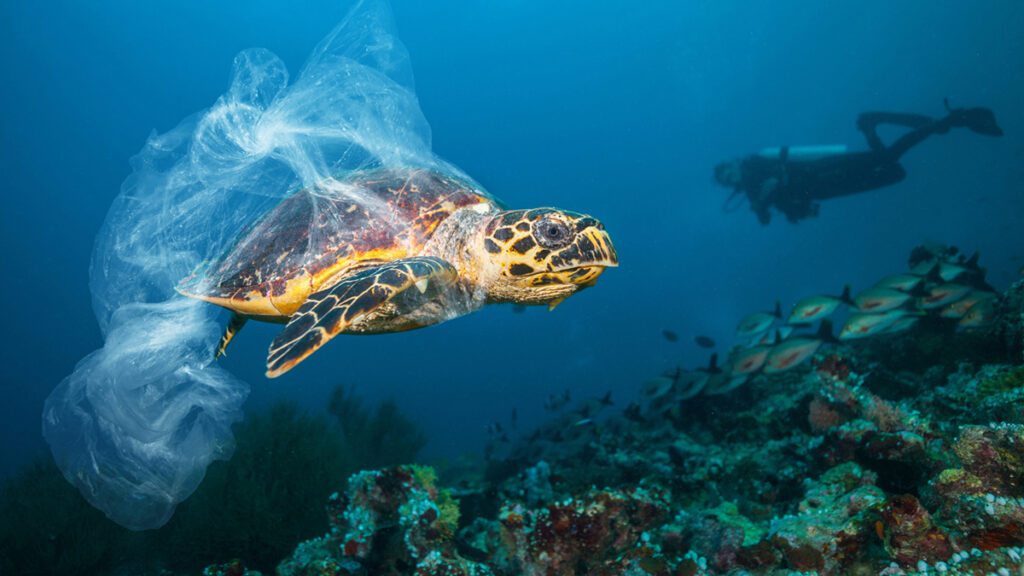
Fewer containers in landfills or our waterways.
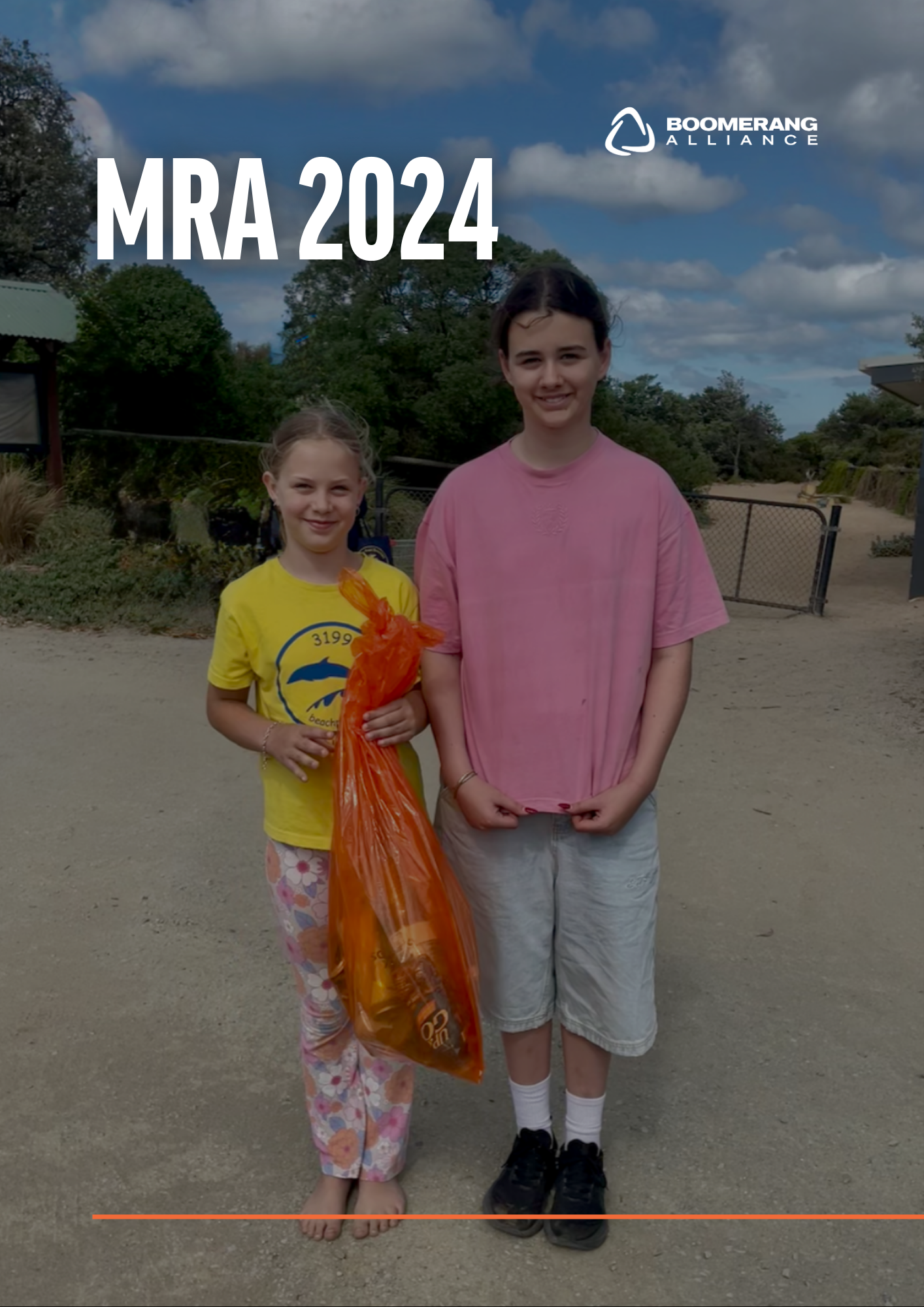
Increased income opportunities for community groups, charities and people doing it tough.
More clean materials are available for bottle-to-bottle recycling.
More jobs in recycling and logistics—an estimated 11.6% increase.
It’s a simple upgrade with A massive impact:
of people support increasing the refund.
said they’d participate more if the refund went up to 20c.
OVER
say it will help with the cost of living.
Across Australia, these schemes are already changing behaviour and reducing waste:
New South Wales
Over
containers returned since 2017 = $1.4 billion back to the community and charities. 73% reduction in drink container litter.
South Australia
containers returned last year = $66.3 million refunded.
Queensland
Over
containers collected, recycling tripled and litter down 35%.
Victoria
containers returned between Nov 2023 and June 2024 (year1).
Several thousand new jobs created and container collected going into making new bottles, cans and other products.
LET’S NOT WASTE THE MOMENT
With all states and territories now with container refunds, Australia becomes the first continent to operate the scheme nationwide. But we can’t stop at 10c. It’s time to build a true circular economy.
Help us drive change.
– Container refund Schemes –
Frequently asked questions
Did you know that schools, sports clubs, and community groups can turn empty drink containers into real cash or donation credits? By participating in the Container Refund Scheme (CRS), every eligible container returned earns a 10c refund—and increasing this to 20c could double the benefits for your community.
How can schools, sports clubs, or community groups benefit financially from collecting containers?
By returning eligible drink containers, groups receive the refund (10c each) as cash or donation credits. A 20c refund will double community benefits.
If the refund goes up to 20c will I bear the cost as the consumer?
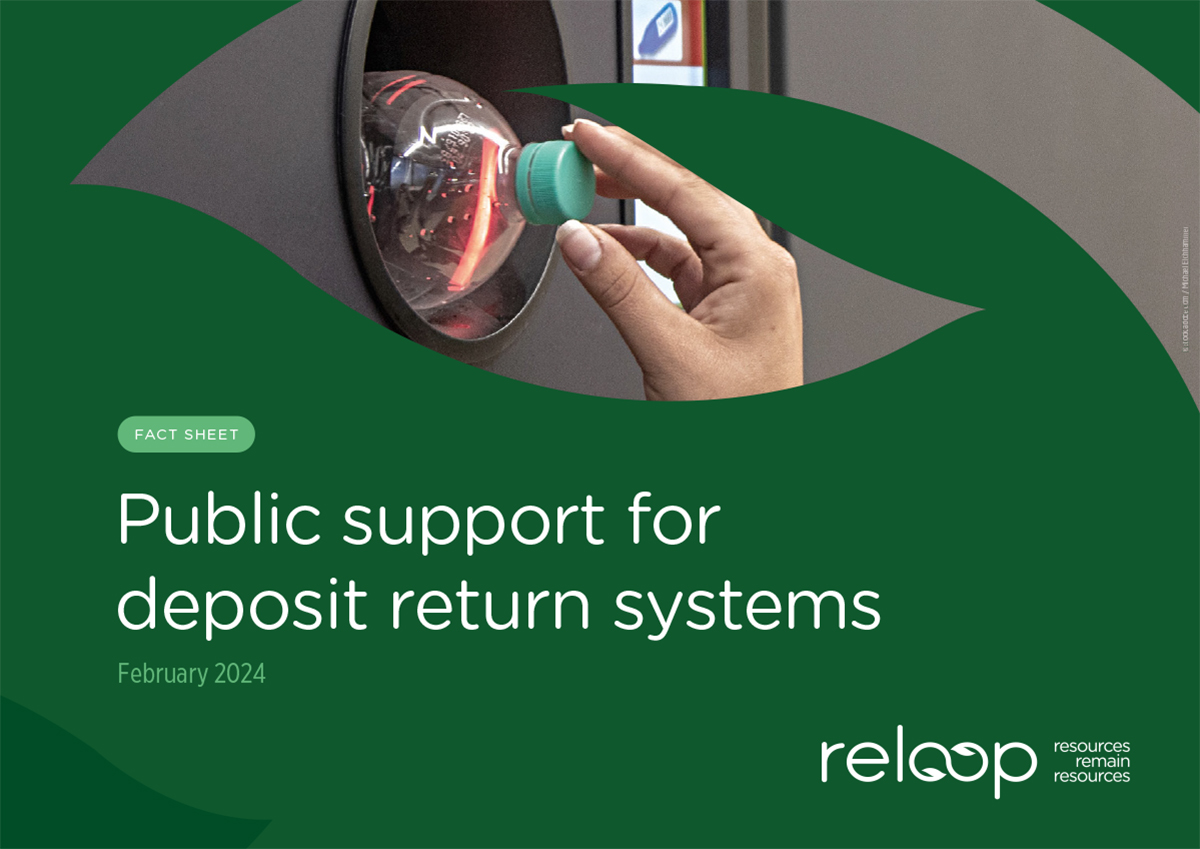
Not a deposit. the 10 cent producers can charge consumers when buying a container drink is fully refundable when the container is returned. There is no cost increase to consumers if the refund increases as long as containers are returned for recycling.
Is the Container Refund Scheme the same as Extended Producer Responsibility?
CRS is a form of product stewardship/EPR for beverage packaging, producers take responsibility for what they put on the market—but “product stewardship” can include other products like batteries..
Why should we up the 10c refund to 20c
Lifting it to 20c would align better with high-performing deposit systems overseas and is expected to push return rates towards 90% above the current 65%, reducing litter and boosting recycling revenues for communities.
How does expanding the scheme reduce litter and plastic pollution?
Including more container types and making returns more convenient raises redemption rates and cuts litter fast, studies show container litter drops by ~60% soon after refund schemes launch. More clean, source-separated material also enables true bottle-to-bottle recycling. Boomerang Alliance is pushing for expansion so we can capture more containers and cut more waste.
How much waste is expected to be diverted from landfill with the expansion?
While the exact tonnage depends on what is eligible, states see sharp increases in recovered glass, aluminium and PET after expansions (e.g., QLD’s inclusion of wine/spirits lifted glass recycling). Higher deposits and broader eligibility move many millions more containers away from landfill into recycling each year.
How will this expansion benefit local communities and charities?
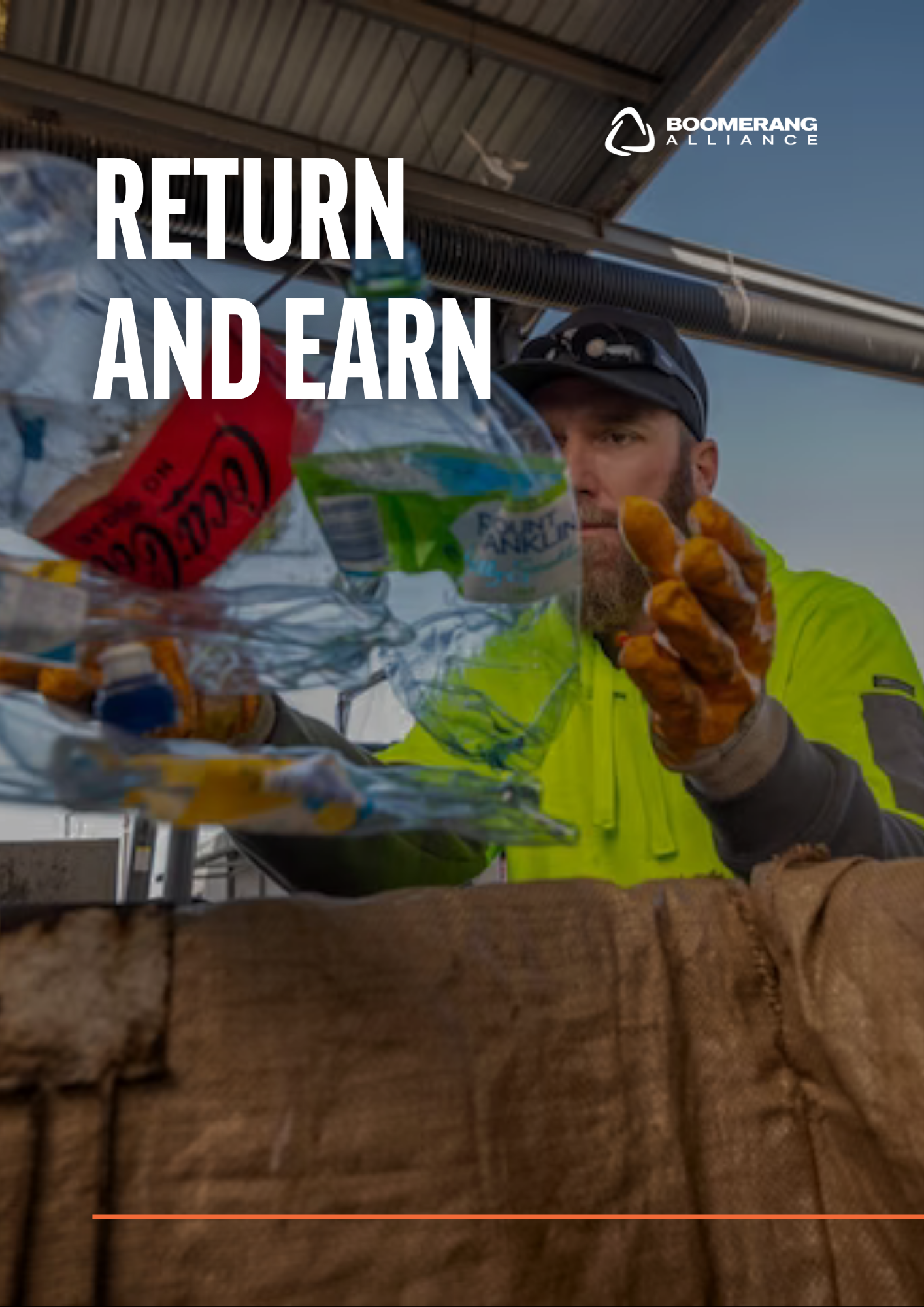
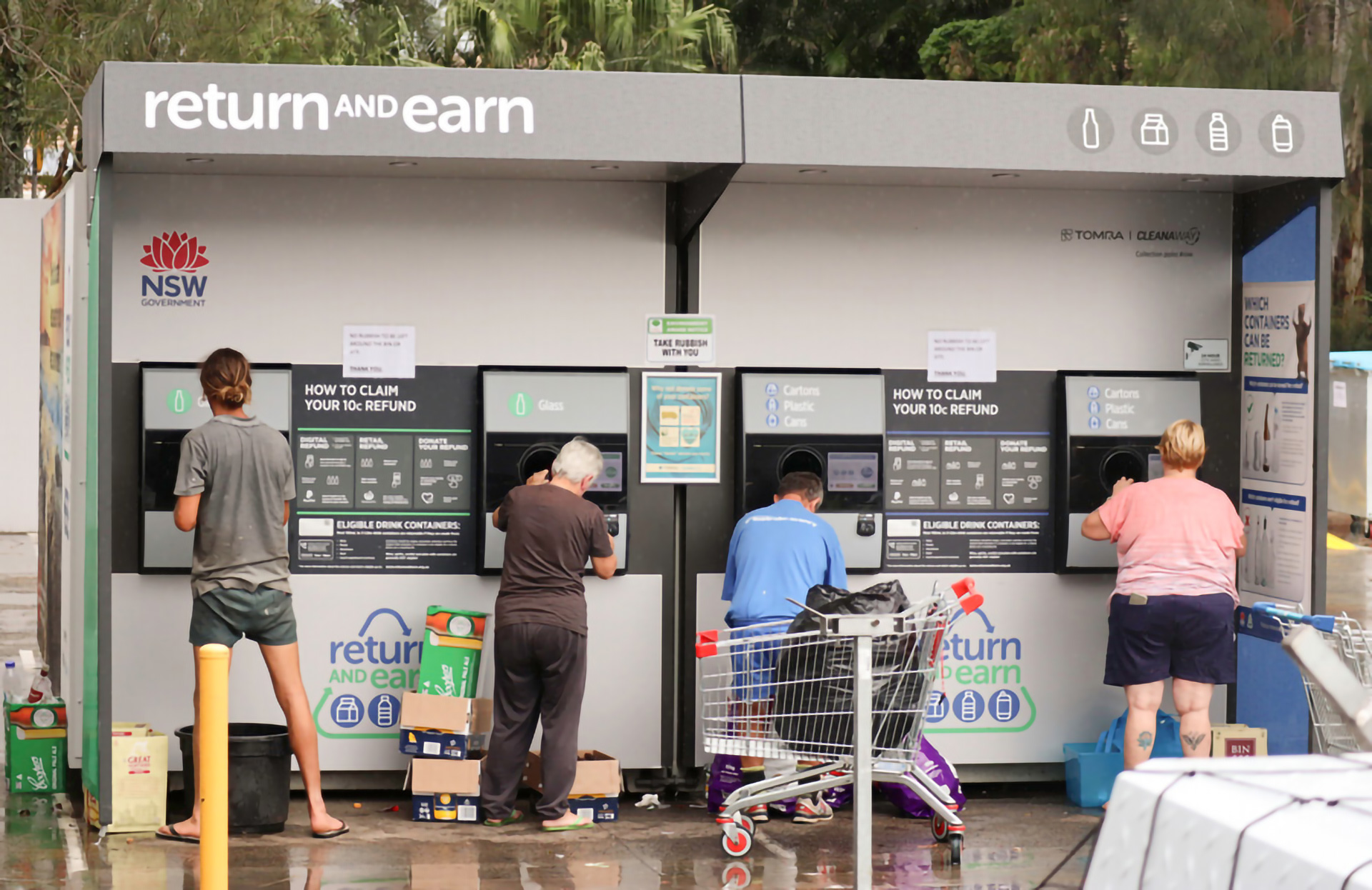
More eligible containers = more fundraising potential and local “cash-for-containers” drives. NSW reports large, recurring donations to charities via Return & Earn; Victoria’s first 8 months generated over $62.8m in refunds, with community partners baked in
Does the scheme create jobs or support local recycling industries?
Yes. Collection networks, logistics, processing, and remanufacturing create local jobs. Nationally, several thousand new jobs have been created.
Will more refund points or collection sites be introduced?
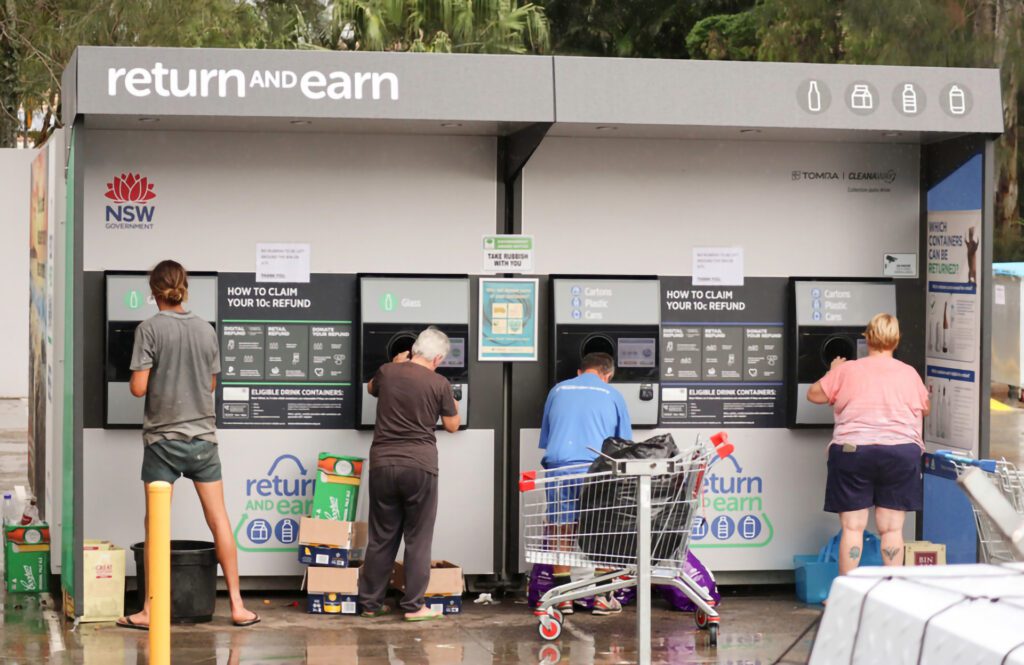
Generally, yes, expansions typically come with more refund points and better access (e.g., RVMs, depots, bag-drops). NSW already lists 600+ sites, and states continue to add locations as volumes grow. Boomerang Alliance is campaigning for more convenient refund points so everyone can take part.
How is the scheme regulated to make sure it works fairly?
Each state legislates its scheme and appoints a coordinator who may also manage the collection network or there is a separate network operator (eg, NSW, Vic, Tas). EPAs oversee approvals, audits, pricing reviews and fraud prevention. Annual statutory reports detail performance, finances and risk controls (e.g., NSW report).
What happens to the containers after they are collected?
They’re sorted, compacted and sold to recyclers; most become new bottles/cans or other products. CDS improves quality due to less contamination compared to kerbside) which is crucial for closed-loop, bottle-to-bottle outcomes. Every scheme is mandated by law to recycle the containers so less ends up landfilled as is the risk with kerbside.
How does Australia’s scheme compare to other countries?
We now have schemes in every state/territory, but average return rates trail leaders like Germany and the Nordics, which use higher deposits and denser networks. That’s why many advocates want a 20c deposit and more access points. Boomerang Alliance is advocating for this increase to help Australia catch up with the best-performing global schemes.
Why were some containers excluded before, and why are they being added now?
Schemes began with the most litter-prone “on-the-go” formats. Wine/spirits and other categories are now being added as infrastructure scales up and markets for the material strengthen. Plain milk has typically been excluded due to low litter rates and at-home consumption.
How is the container refund scheme different from the Vic dedicated kerbside glass bin?
CDS targets drink containers and pays you a refund; kerbside collects many materials but doesn’t pay per item. CDS material is typically cleaner and higher value, helping close the loop into new beverage containers. Many Vic councils want the refund scheme to handle the glass containers.
Are all states and territories going to expand their schemes?
All jurisdictions now have a scheme (Tasmania launched 1 May 2025). Most are in various stages of expanding eligible containers and increasing access points. Eventually they should all have the same eligibility rules.
Will other containers, like milk, be included? And bottle tops?
Plain milk (including plant-based) is currently excluded in most states, though flavoured milk under 1L is often eligible, policy reviews may revisit this. For bottle tops: follow your local guidance (in NSW, leave caps on; they’re recycled with the bottle). Boomerang Alliance is actively advocating for bottle tops to be included as eligible items in future expansions of the scheme.
Are recycling companies supporting container refund expansion?
Yes. They want more of the bottles and cans so they can expand their contribution to the circular economy.
– Tell your mp
Call for a 20c refund and the inclusion of wine and spirits bottles in every state and territory.
10 cents doesn’t go far anymore. The value of the refund has dropped to the equivalent of just 6.5 cents in today’s money, and evidence shows return rates will now decline as a result. Meanwhile, wine and spirits bottles are excluded from most state schemes, despite being some of the most resource-intensive to produce.
We’re leaving millions of dollars, and tonnes of material in landfill, when we could be recycling it and putting cash back in people’s pockets.
A simple fix can change that.
Resources