
The Australian Packaging Covenant Organisation, (APCO), The Australian Council of Recycling (ACOR), and the Boomerang Alliance have aligned their positions on the need for an Extended Producer Responsibility (EPR) approach for packaging.
The call comes as Australia continues to send significant volumes of valuable packaging materials to landfill and existing plastic recycling plants face closure.
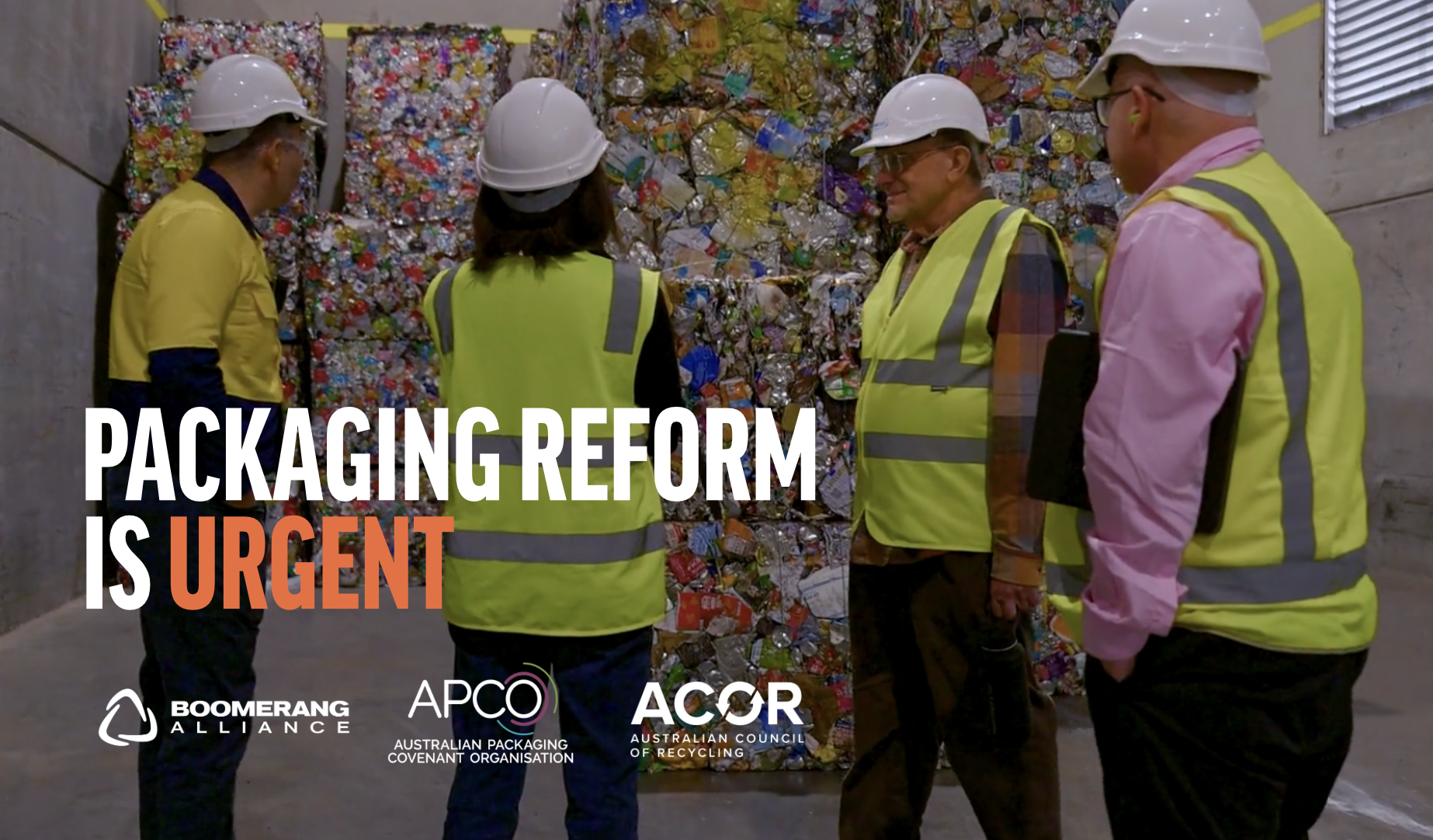
Each organisation has released a video today, collectively making the case for government action and setting out their shared support for a national EPR approach for packaging.
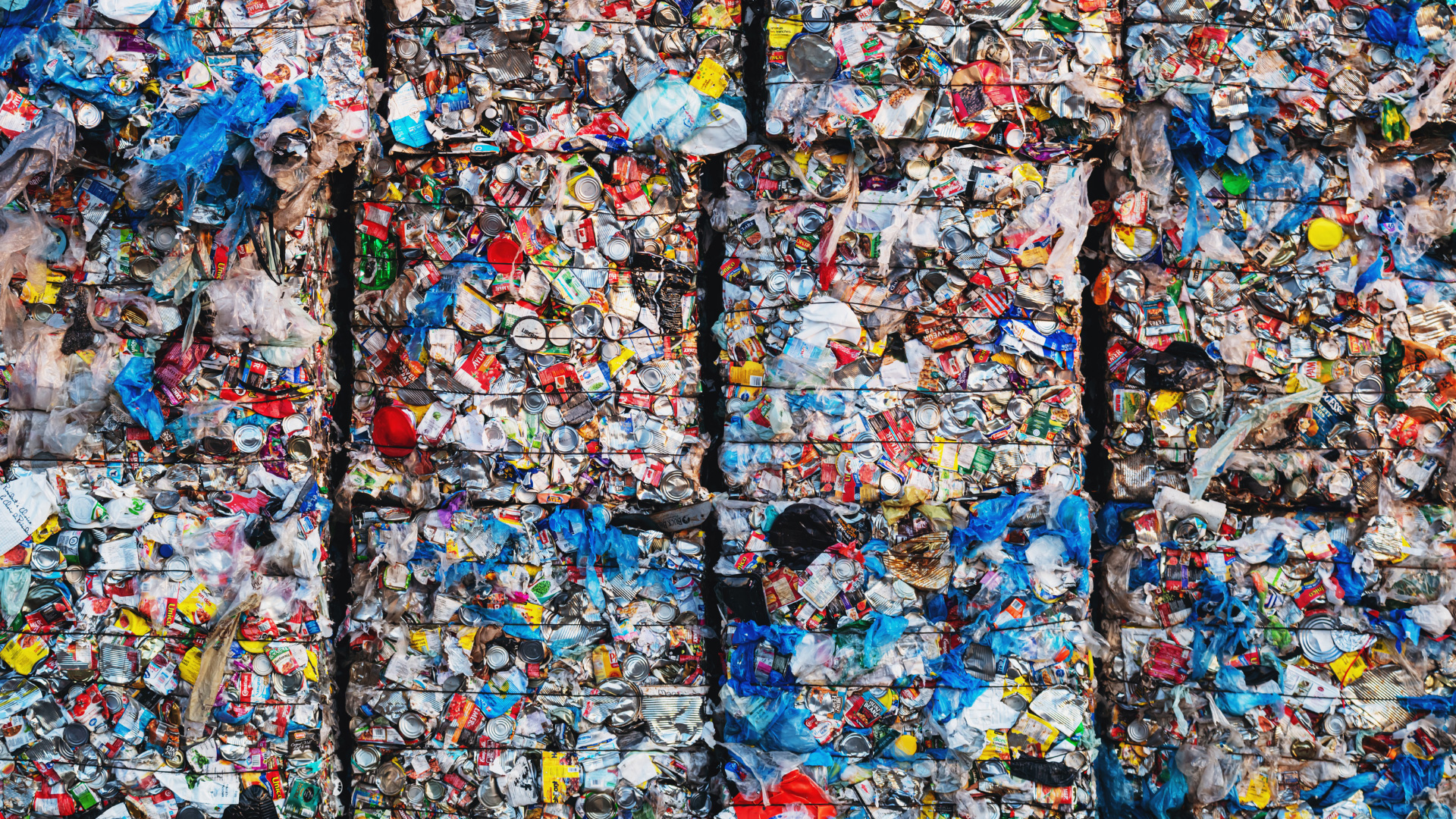
Australian Government data shows 6.84 million tonnes of packaging were placed on the Australian market in 2023–24, with 41% disposed to landfill.1
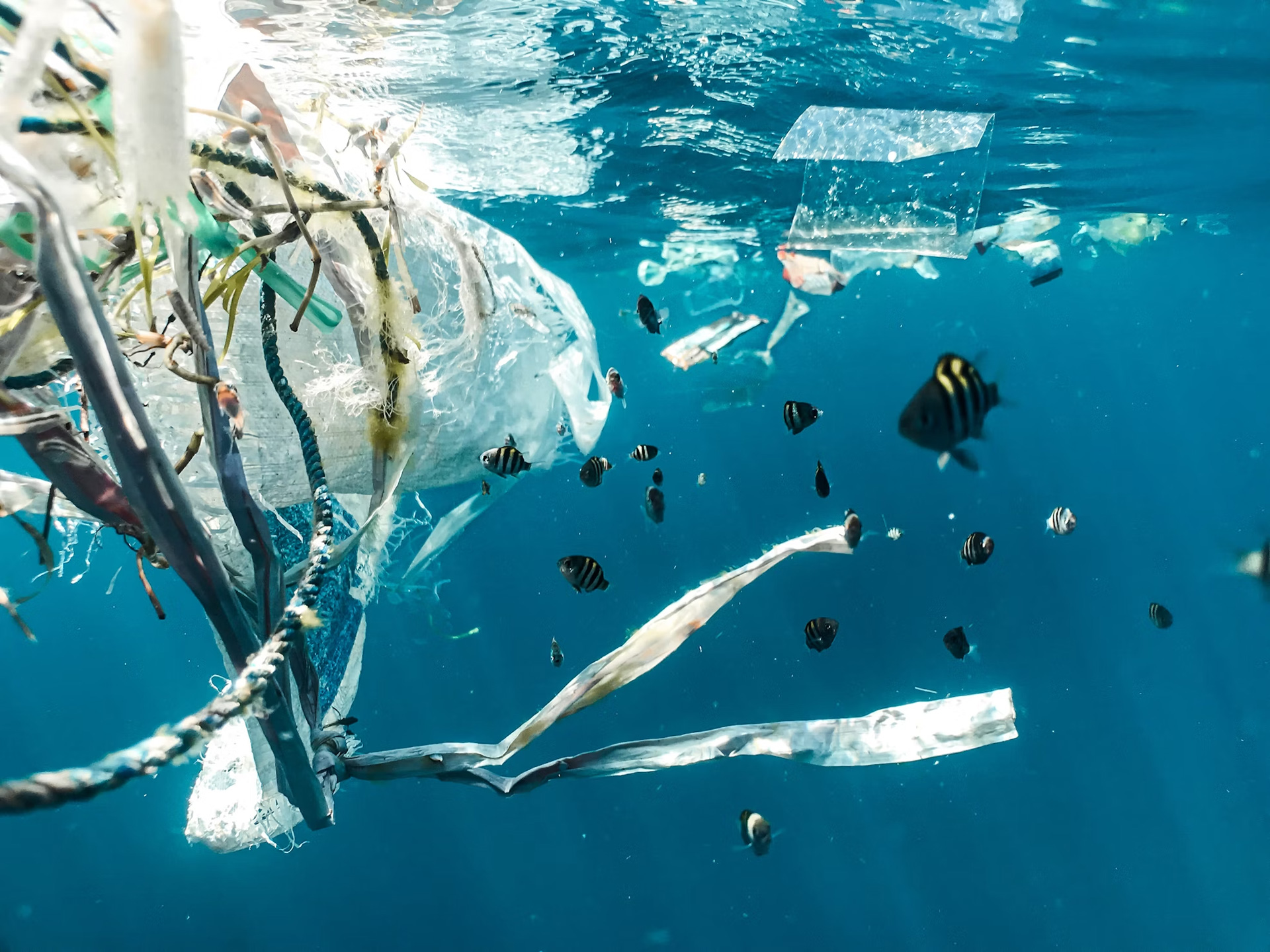
Plastic packaging remains a particular challenge. Australia uses more than 1.3 million tonnes of plastic packaging each year, with more than one million tonnes ultimately landfilled or littered.2
Australian consumers are also calling for greater responsibility from producers. Cleanaway and the Clean Energy Finance Corporation’s 2026 Recycling Behaviours Report, based on a survey of 1,000 Australians, found 83% support making companies pay for the cost of recycling their plastic packaging, while 94% support a circular economy for packaging in Australia.3 Against this backdrop, Australia continues to lag behind the global shift towards stronger producer responsibility for packaging.
Without a clear national pathway, Australia risks falling further behind international progress and delaying the investment needed to improve packaging recovery, strengthen domestic recycling markets and keep valuable materials in circulation.
“Australia needs certainty on packaging reform. A national EPR approach can give producers clear rules, unlock investment in recycling, and replace fragmented approaches with a more consistent system.”
Chris Foley, CEO, Australian Packaging Covenant Organisation (APCO)
““We are already seeing recycling facilities close, with others under growing pressure, and the investment that built them go to waste, because there is no policy certainty to keep them viable. This is not a future risk; it is already happening. Give our sector a nationally consistent scheme with real targets and eco modulated fees, and industry will respond with the infrastructure, the jobs and the local manufacturing Australia cannot afford to lose.
Suzanne Toumbourou, CEO, Australian Council of Recycling (ACOR)
“Australians have said it loud and clear. They want the companies that put packaging on the market to pay for cleaning it up, not councils, not ratepayers and not the environment. We have talked about producer responsibility for a decade while plastic keeps piling up in landfill and washing into our rivers and oceans. Enough talk. It is time to legislate a scheme with real teeth. Inaction also harms people’s health with growing concerns about plastic pollution.”
Jeff Angel, Director, Boomerang Alliance
Under an EPR approach, producers take greater responsibility for their products across their life cycle, including at the post-consumer stage. EPR can shift financial and, in some models, operational responsibility for packaging waste management and material recovery towards producers, while reducing reliance on households and governments to bear the costs of managing packaging waste.4
A well-designed EPR system can also create the long-term market certainty needed to support investment in Australian recycling and manufacturing, while creating clearer accountability for packaging outcomes.
The three organisations are calling on the Australian Government to set a clear national direction for packaging reform, backed by a published pathway and timetable for implementation.
With recycling infrastructure under pressure, valuable materials continuing to be lost to landfill and producers needing certainty to plan and invest, the next step must be decisive: establish a nationally consistent EPR approach that gives producers clear responsibilities, supports investment in Australian recycling and keeps more packaging in circulation and out of landfill.
For More Information:
Jeff Angel (Boomerang Alliance): info@boomerangalliance.org.au
Sources:
1. Australian Government, Department of Climate Change, Energy, the Environment and Water, A circular economy for packaging in Australia.
2. Rennie Advisory, Securing Australia’s Plastic Packaging Recycling Future, prepared forthe Australian Council of Recycling, Australian Packaging Covenant Organisation 2025/26.
3. Cleanaway and Clean Energy Finance Corporation, Recycling Behaviours Report 2026.
4. OECD, Extended Producer Responsibility: Basic facts and key principles, 2024.
Boomerang Alliance
Established in 2003, the Alliance represents 56 local, state and national NGOs. It is the peak NGO campaigning on waste and plastic pollution and successfully achieved adoption of container refund schemes. It is currently seeking national reform of packaging and reductions in plastic pollution to protect the environment, health and create a circular economy.
BoomerangAlliance.org.au
The Australian Packaging Covenant Organisation
The Australian Packaging Covenant Organisation (APCO) manages and administers the national regulatory framework for minimising the environmental impact of packaging, the Australian Packaging Covenant. The Covenant defines the collective responsibility of governments and businesses across Australia, with APCO bringing together businesses along the packaging supply chain with Commonwealth, state and territory governments, as endorsed by environment ministers.
APCO is driven by a vision for an Australia where all packaging stays in the economy and out of the environment through a trusted, efficient national stewardship system.
APCO.org.au
The Australian Council of Recycling
The Australian Council of Recycling (ACOR) is the preeminent industry forum for resource recovery, recycling and remanufacturing, leading the transition to circular economy in Australia. ACOR represents a growing industry that contributes almost $19 billion in economic value, generating broad social and environmental benefits. Our sector collects, sorts and reprocesses material, and makes new products with recycled content, creating more jobs for Australians.
ACOR.org.au