Let’s talk about something most of us do every single morning: grabbing a takeaway coffee on the way to the office or before a big meeting. It’s the ultimate workplace routine. You grab your cup, feel good about putting it in the recycling bin later, and get on with your day.
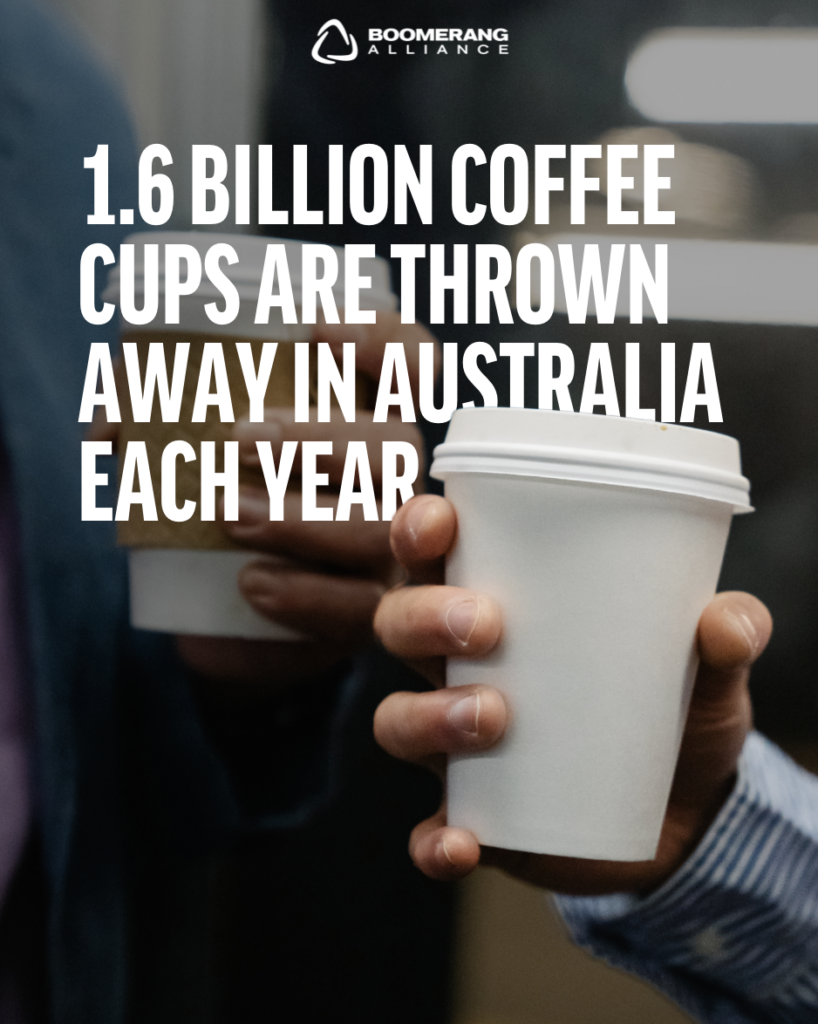
Here’s the catch: that harmless paper cup is almost certainly leaking microplastics into your morning brew.
Oh, and did we mention? The cups don’t actually get recycled.
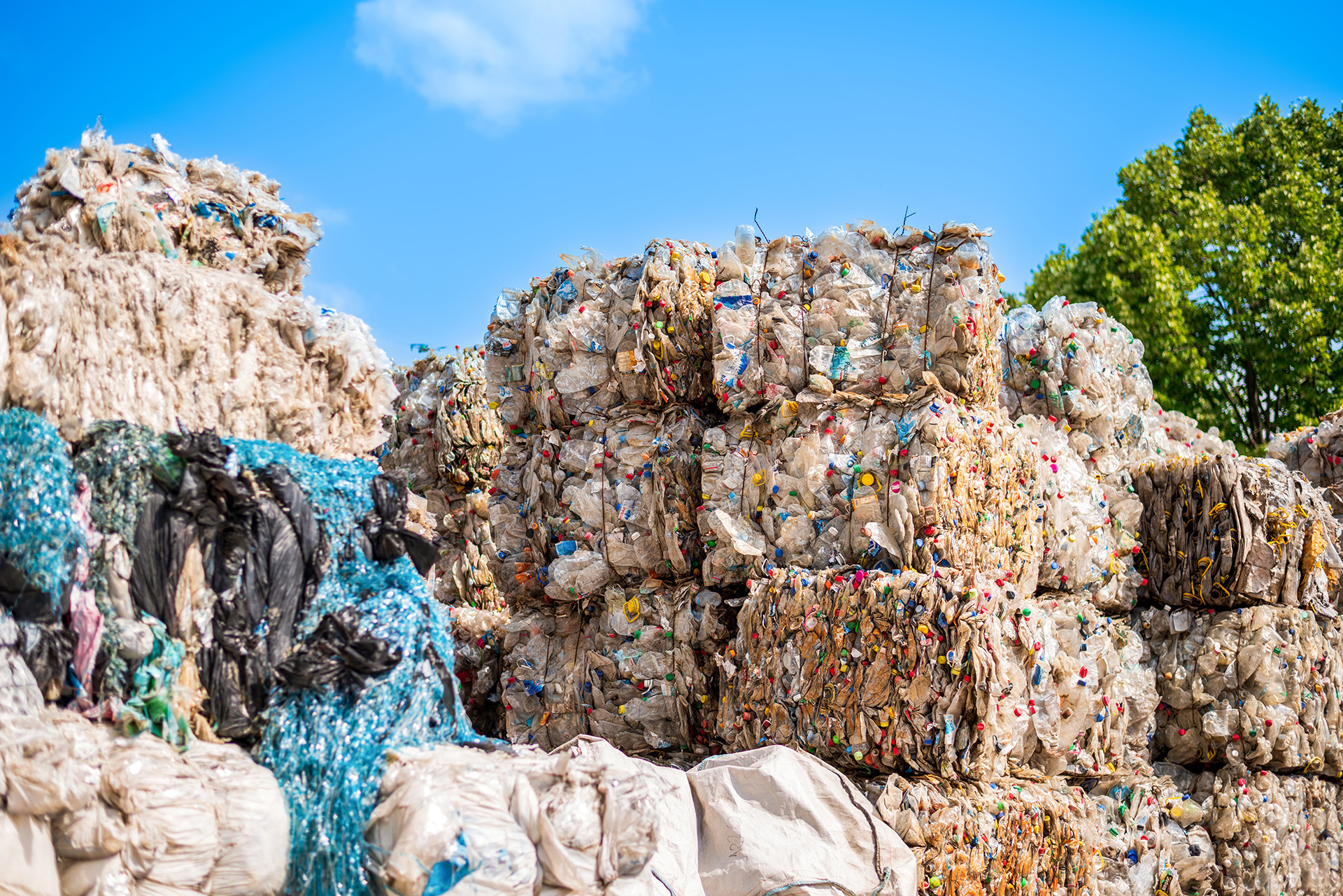
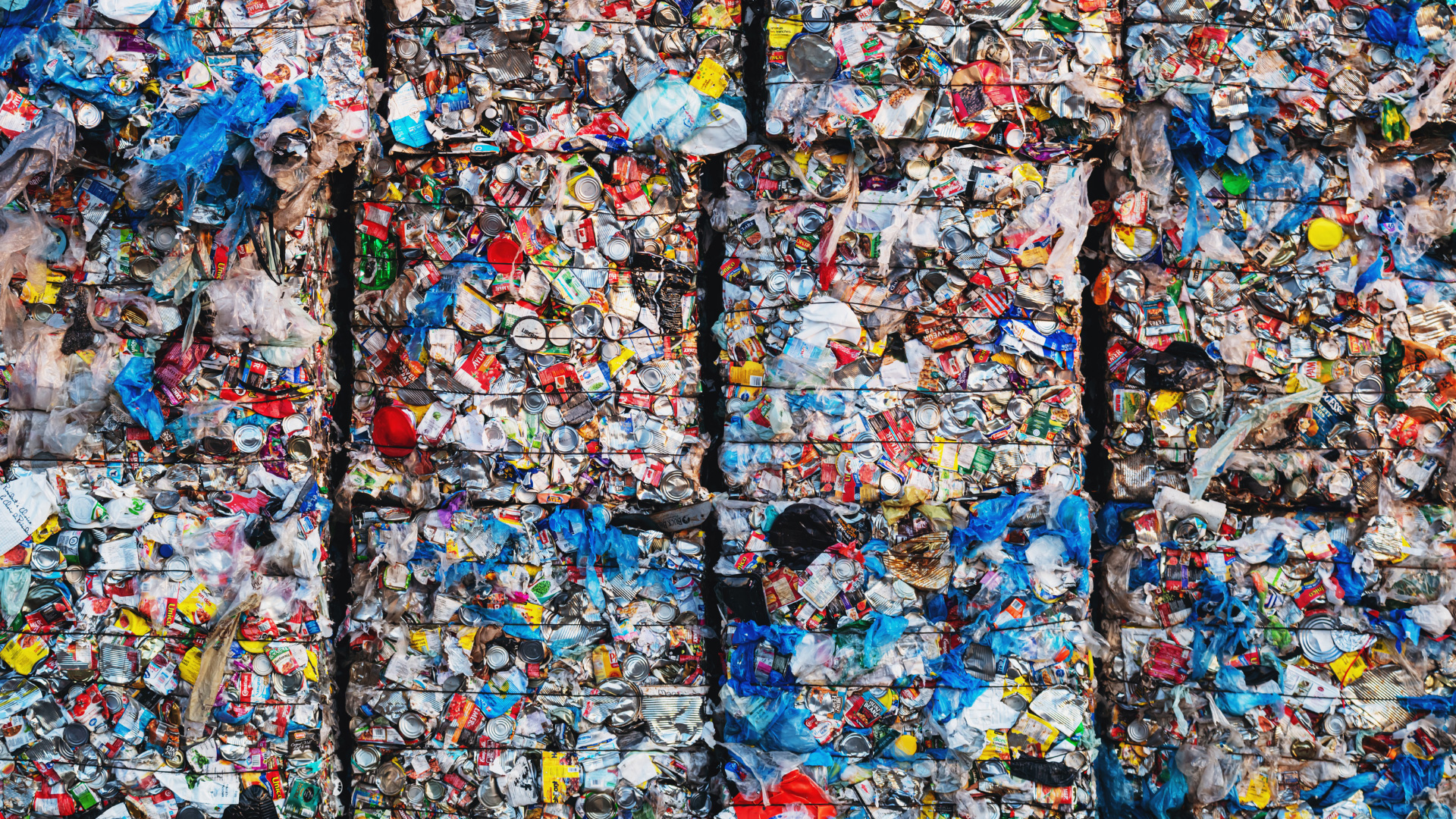
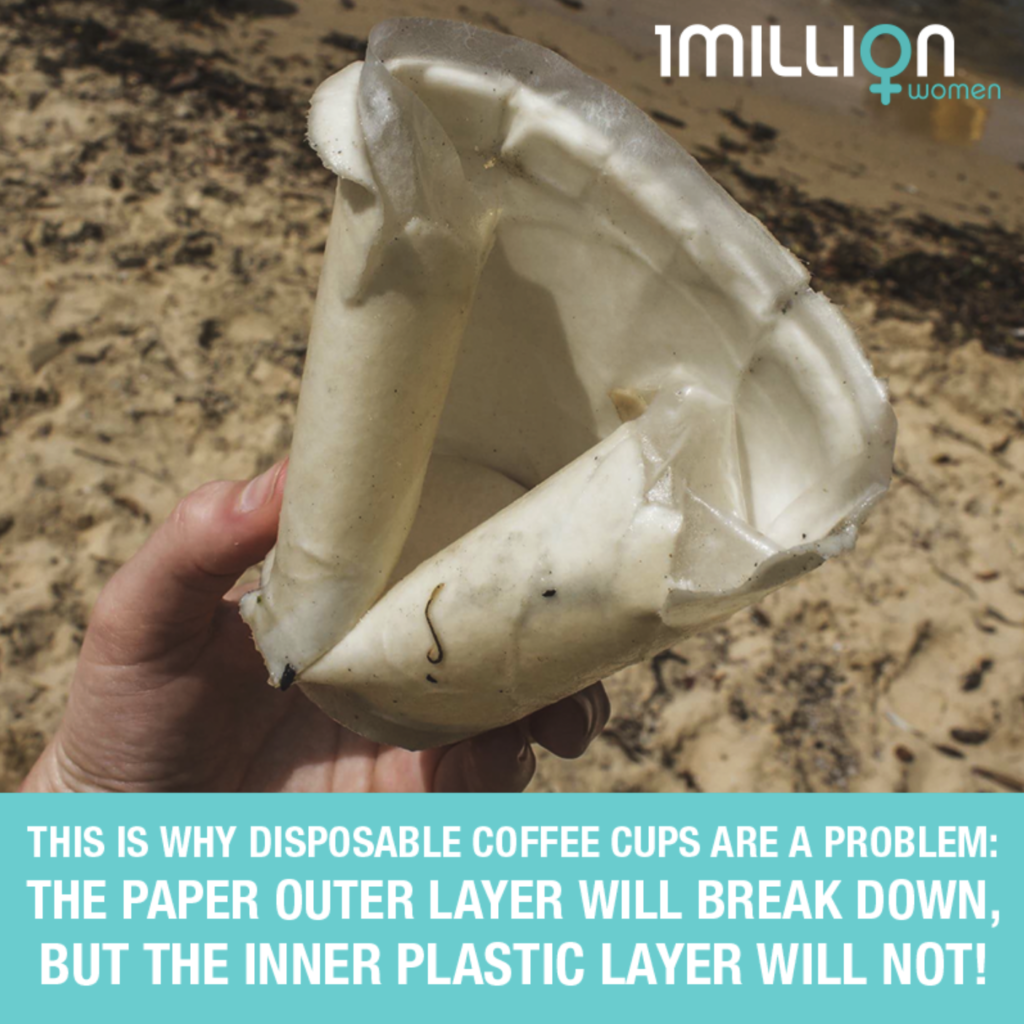
Despite what most people honestly believe, and what clever marketing has led us to assume, disposable cups almost universally end up in landfill. Why? Because fusing a paper exterior with a tight plastic lining creates a composite material that standard recycling facilities simply cannot separate. The complex mechanical process required to peel that micro-thin plastic away from the paper fibers is so expensive and resource-heavy that the low economic value of the recovered paper doesn’t cover the cost.
Specialised collection programs and workplace recycling receptacles might feel like a step forward, but they often mask the core issue. Organisations end up paying a premium for dedicated collection bins, yet these schemes face massive economic and logistical hurdles. Lids often get excluded or tossed into general waste, and processing low-value composite cups remains economically unviable at scale.
To make matters even more confusing, newer “aqueous coated” cups are marketed as a greener alternative. But because the water-based plastic dispersion is directly embedded into the paper board fibers rather than applied as a distinct film, separating the plastic from the pulp is virtually impossible.
The bottom line? Trying to recycle a fundamentally flawed, single-use design is a costly uphill battle. True sustainability isn’t about finding expensive ways to process trash, it’s about eliminating single-use waste at the source.
For ESG directors, corporate sustainability leaders, and decision-makers, single-use cups have usually been treated as a simple waste problem, something to tackle with better recycling bins or a couple of bring your reusable cup flyers scattered around the office. But emerging science tells a very different story. The humble disposable cup isn’t just an environmental headache; it’s a direct point of chemical exposure for your team and your customers.
What’s Actually Happening Inside Your Disposable Cup?
There’s a common myth that paper coffee cups are just organic cardboard. In reality, to stop hot liquid from turning paper into instant mush, every single disposable paper cup relies on synthetic polymers, either applied as a plastic lining or coated with a liquid dispersion barrier.
Here is how the technology breaks down (and why none of it belongs in your hot coffee):
- Plastic & Bioplastic Linings: Traditional cups are laminated with a paper-thin film of synthetic plastic, usually polyethylene (PE) or bioplastics like polylactic acid (PLA).
- The “Water-Based” Coating Misconception: You might have seen newer disposable cups marketed as using “aqueous coatings” or “water-based dispersion barriers.” While this sounds natural, don’t let the phrasing fool you. Aqueous coatings work by immersing paperboard into a solution where synthetic polymer microparticles absorb directly into the board fibers as the liquid evaporates. It’s not a separate film layer, but it is still synthetic plastic embedded throughout the paper.
- Thermal Degradation & Microplastic Leaching: When hot coffee or tea (served between 70°C and 90°C) hits these polymer barriers, thermal stress causes them to break down rapidly. Independent laboratory testing shows that a single disposable cup exposed to hot liquid can shed tens of thousands of microplastic and nanoplastic particles per milliliter into your drink within 15 minutes.
- Chemical Migration: Beyond physical plastic particles, hydrophobic chemical additives including plasticizers, heavy metals, and manufacturing residues dissolve straight into the liquid phase under heat.
- The Bioplastic Fallacy: Thinking plant-based or compostable PLA cups are safer? Research demonstrates that bio-based plastic coatings and linings degrade under heat at the exact same rate, releasing bio-nanoparticles that pose similar risks when ingested.
Navigating plastic vs. glass for the workplace
If we want to fix this, swapping one single-use item for another disposable isn’t the answer, we need high-performing, durable materials built to stay in rotation.
It’s worth making an important distinction here: not all reusable plastic cups are created equal.
While ultra-thin single-use linings degrade rapidly under thermal shock, heavy-duty reusable plastic cups (like food-grade polypropylene) are engineered to be far more stable. Because of their density and manufacturing quality, durable reusable plastics do not leach microplastics at anywhere near the aggressive rates of flimsy disposable film linings. From an environmental standpoint, independent Lifecycle Assessments (LCAs) consistently prove that high-use plastic reusables beat single-use paper cups on carbon emissions, water consumption, and landfill impact after just a modest number of uses. They are a practical, budget-friendly stepping stone for large-scale swap schemes and busy precincts.
However, for organisations seeking the absolute cleanest, longest-lasting material, high-grade glass and stainless steel reusable cups remain the gold standard for reusables:
- Zero Leaching: Glass is 100% inert. You can pour boiling liquids into it repeatedly for years, and it will never shed microplastics or chemical additives into your drink.
- Tastes Better, Period: Unlike porous materials, glass doesn’t absorb coffee oils, lipid fractions, or residual washing soap. You taste the coffee bean, not old brews.
- Built for True Circularity: Flimsy disposable composite cups almost always end up in landfill because separating the paper from the plastic film is economically unfeasible. Glass, on the other hand, can be infinitely recycled without any degradation in quality or material strength.
- Durable & Hygienic: Heavy-duty glass handles high-temperature commercial dishwashers effortlessly without scratching or surface degradation, maintaining a non-porous, sanitary barrier for continuous workplace reuse.
Cups for Good
At Boomerang Alliance, we’re launching our Cups for Good campaign to help consumers shift from temporary fixes to permanent, meaningful change.
When we say Cups for Good, we mean it in two ways:
- For Good (Permanently): It’s time to move past the takeaway culture and embed closed-loop, reusable systems into our daily workplace routines for good.
- For Good (For Positive Impact): Every time you or your team chooses a reusable cup, you’re cutting down landfill waste, protecting ocean health, and keeping toxic microplastics out of human bodies.
Every time you or your team chooses a reusable cup, whether high-grade glass, silicone, stainless steel, aluminium or heavy-duty reusable plastic, you’re cutting down landfill waste, protecting ocean health, saving money, and keeping toxic microplastics out of human bodies.
How Leaders Can Take Action Today
You don’t need to overhaul your entire workplace overnight to make a real difference. Here is how leaders can start moving the needle right now:
- Audit Your Office Procurement: Take a look at your office kitchens and do a mini survey of the amount of disposable cups your co workers are bringing into the office. Phase out single-use PE/PLA-lined paper cups and introduce reusable mug libraries or employee BYO policies.
- Engage Your Precinct Partners: Work with your building management and local cafe vendors to support wash-and-return networks or cup-swap schemes across your precinct.
- Set the Standard: Lead from the top. When executive leadership visibly embraces reusables, it normalises sustainable choices across the entire organisation.
It’s time to rethink what’s in our hands every morning. By choosing glass and backing reusable systems, we can protect our health, clean up our supply chains, and build a culture that’s truly built for good.
References for further reading:
https://www.sciencedirect.com/science/article/abs/pii/S2214289424001029?utm_source=chatgpt.com