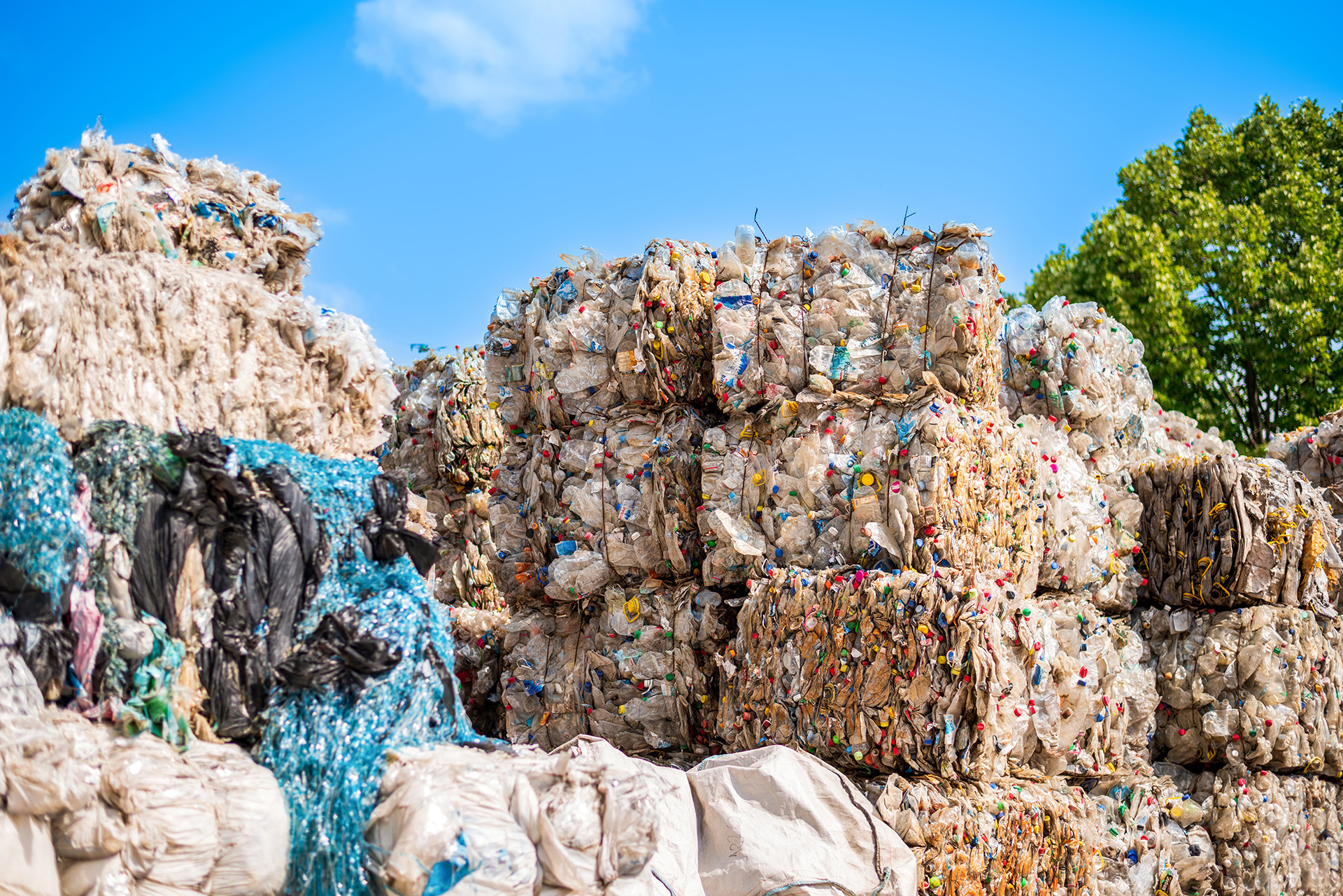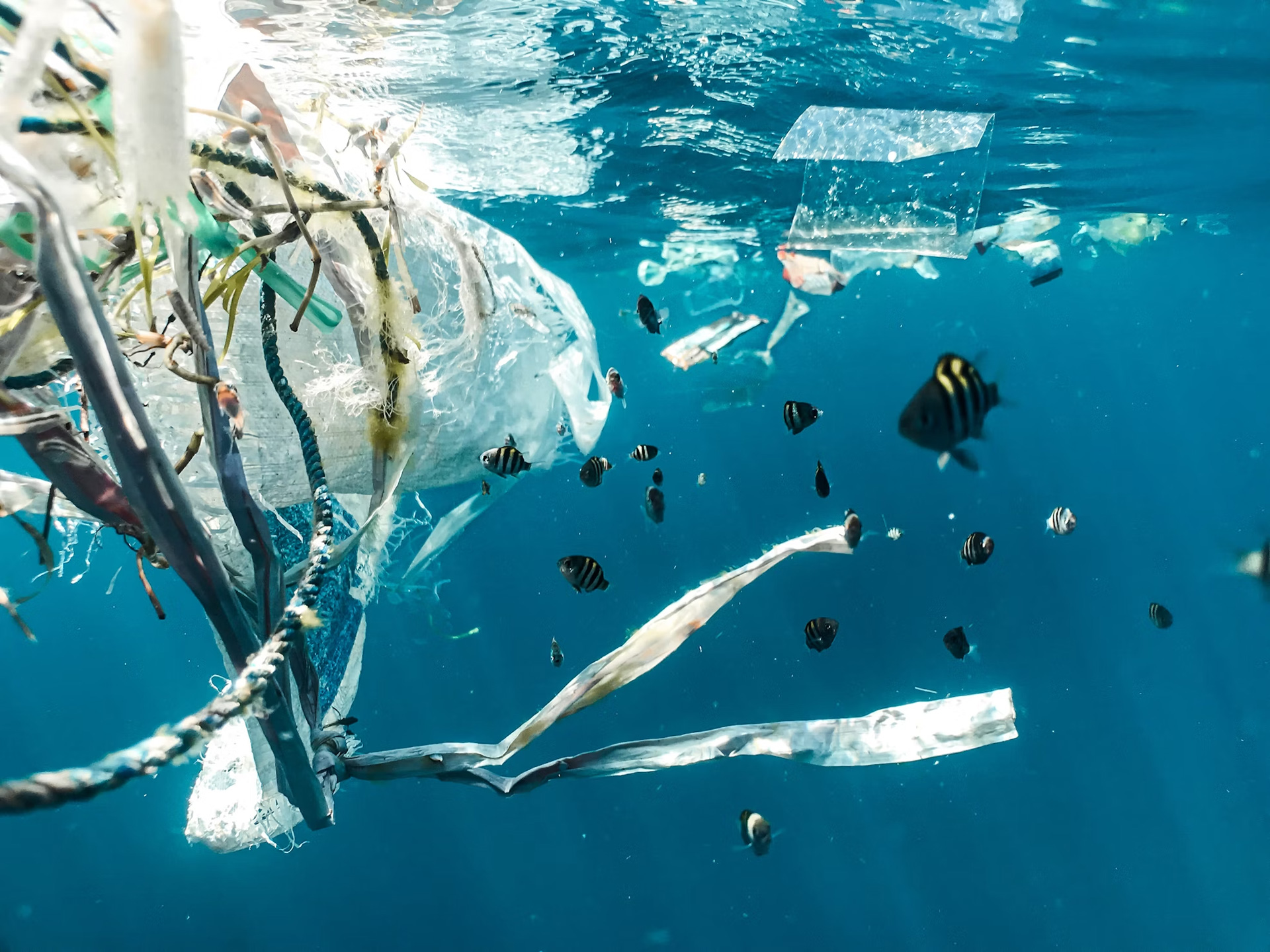
Container deposit schemes (CDS) are among the most effective tools in Australia’s fight against plastic pollution. These schemes give a financial refund when drink containers are returned for recycling, encouraging recycling behaviour and significantly reducing litter in streets, parks and waterways.
CDS is more than just recycling — it’s a behaviour change mechanism. When individuals receive a tangible benefit for returning a bottle or can, participation increases. In states like New South Wales and South Australia, these schemes have driven recycling rates up and seen billions of containers returned instead of polluting the environment.
The broader benefits go beyond clean streets. Local charities and community groups often collect containers for fundraising, creating social value alongside environmental impact. Plus, more containers entering recycling streams mean that valuable materials are kept in use, supporting jobs in the recycling industry and contributing to a circular economy.
Despite these positives, not all states have adopted a world-class CDS, and organisations like the Boomerang Alliance continue to advocate for stronger, harmonised systems nationwide. By educating the public and pressing for policy improvements, they aim to make CDS a standard across every state and territory.
Ultimately, container deposit schemes represent a win-win for communities — cleaner environments, economic incentives, and increased recycling — all driven by simple actions we can take every day.